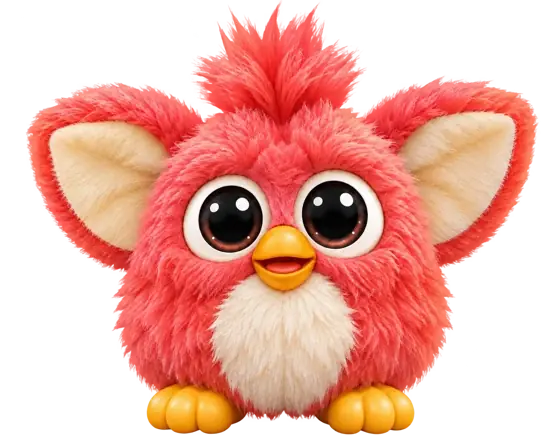
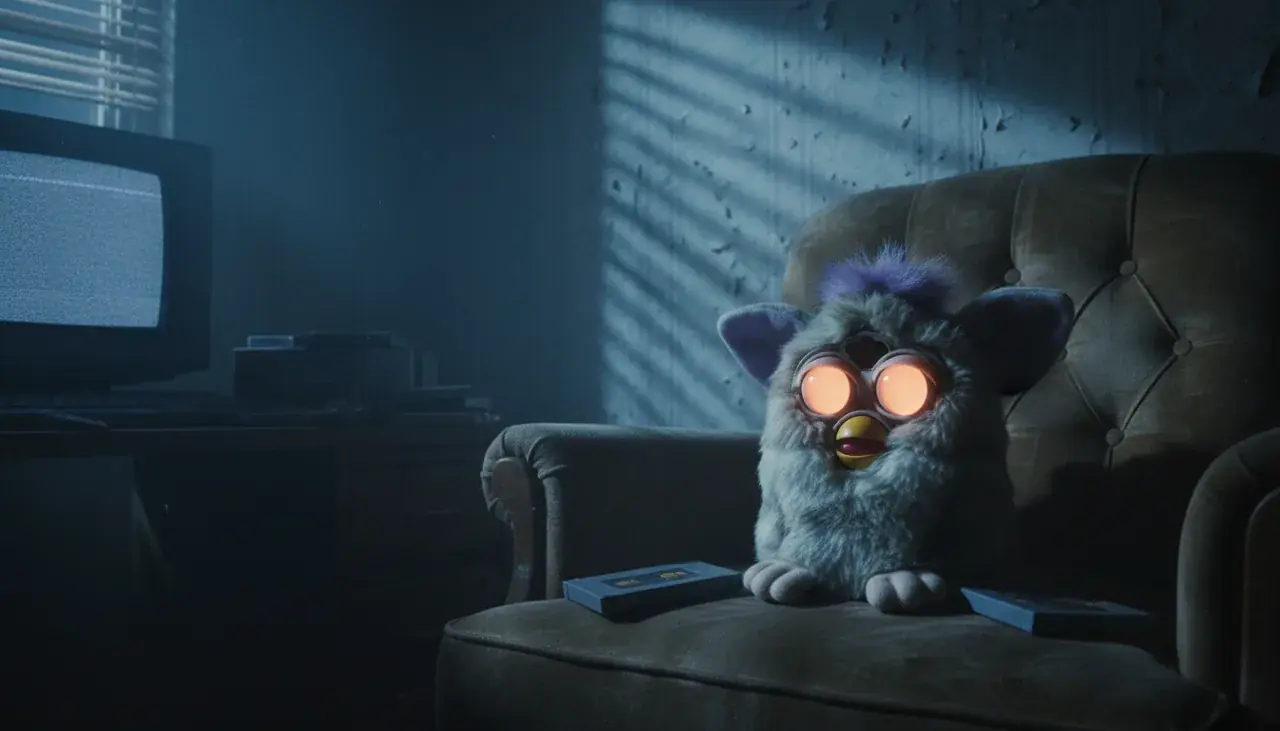
Why Did Furbies Seem So Creepy? | Furby Toy Shop
The late 90s and early 2000s brought us many unforgettable toys, but few sparked the same mix of fascination and unease as the Furby. Introduced in 1998, these interactive pets swept through holiday wish lists and toy aisles, becoming a cultural phenomenon that still gets people talking today.
So why were Furbies so creepy? The short answer: a perfect storm of design choices, early robotics, and the stories people told about them. If you’re a collector or local shopper, Furby Toy Shop is conveniently located in Ashburn, Virginia, making it easy for local customers and collectors to connect with a trusted Furby store that carries both vintage and modern editions.
The Uncanny Valley Effect in Furby Design
Furbies landed squarely in what experts call the "uncanny valley" — a psychological zone where something looks almost alive but not quite, and that near-lifelike quality produces discomfort rather than comfort. Research in design and perception shows that faces and motions that are just shy of human trigger this uneasy reaction in many people.
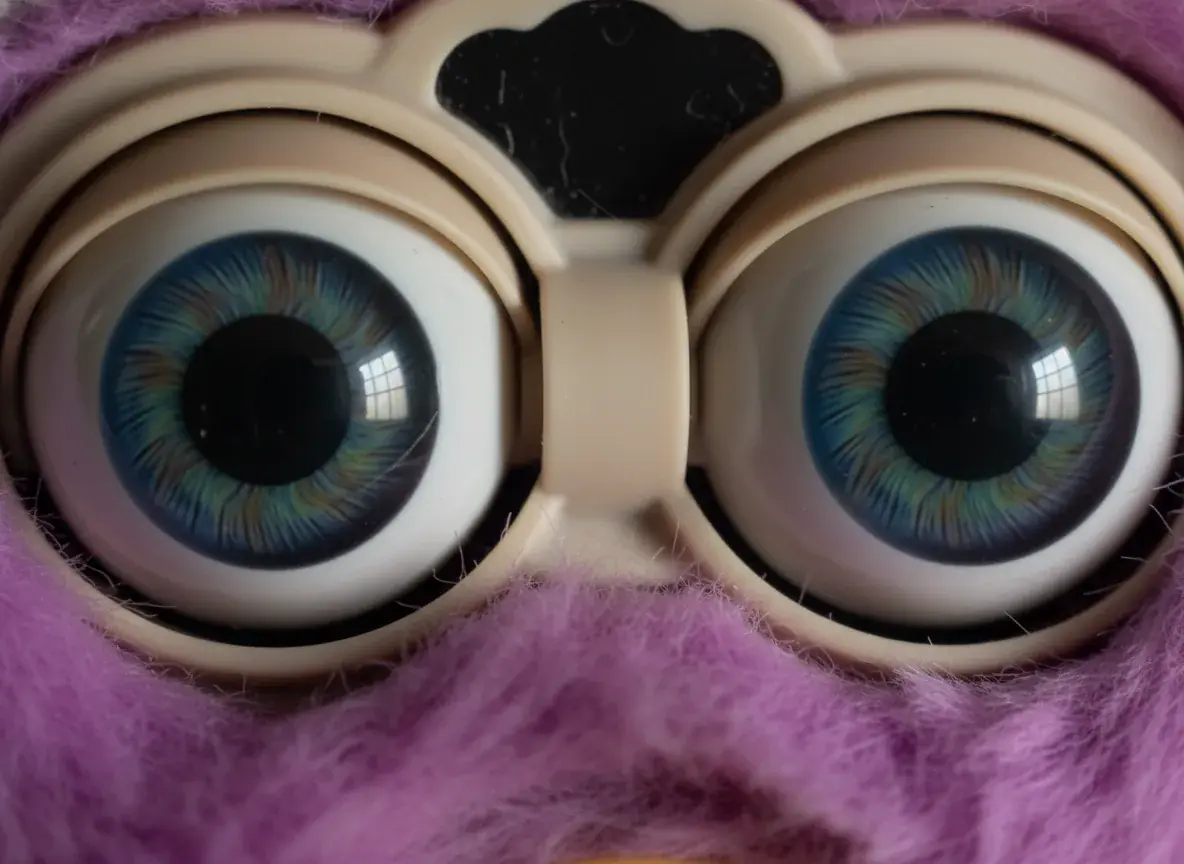
The original Furby design emphasized large, expressive eyes and subtle movements that made the toy feel more like a living pet than a stuffed animal. Those glossy eyes, combined with mechanical blinks and head tilts, could make a simple toy seem unnervingly aware of its surroundings.
Why the Eyes Were So Disturbing
Furby eyes weren’t flat painted features; they had depth and reflective surfaces that caught light in a way that suggested volume and intent. To many kids and parents, that optical depth felt like a miniature, watchful face. Some of the effect came from optical illusion and viewing angle rather than true tracking — but to an observer the eyes could appear to follow movement across a room.
The slow closing of mechanical eyelids during "sleep mode" mimicked a biological rhythm, which made the toy’s behavior feel oddly authentic. That blend of appearance and motion — eyes that looked real plus eyelids that moved — intensified the uncanny valley effect, especially in dim light.
Physical Eye Features
- Large, glossy surface that reflected light
- Mechanical blinking mechanism (layered plastics and simple motors)
- Eyes that could seem to track movement depending on viewing angle
- Different eye colors and patterns creating varied expressions
Psychological Impact
- Created a feeling of being constantly observed
- Triggered primal discomfort with almost-human features
- Enhanced by unpredictable blinking and jerky head motions
- Amplified in dark or dimly lit rooms when eyes caught highlights
Unpredictable Mechanical Movements and Sounds
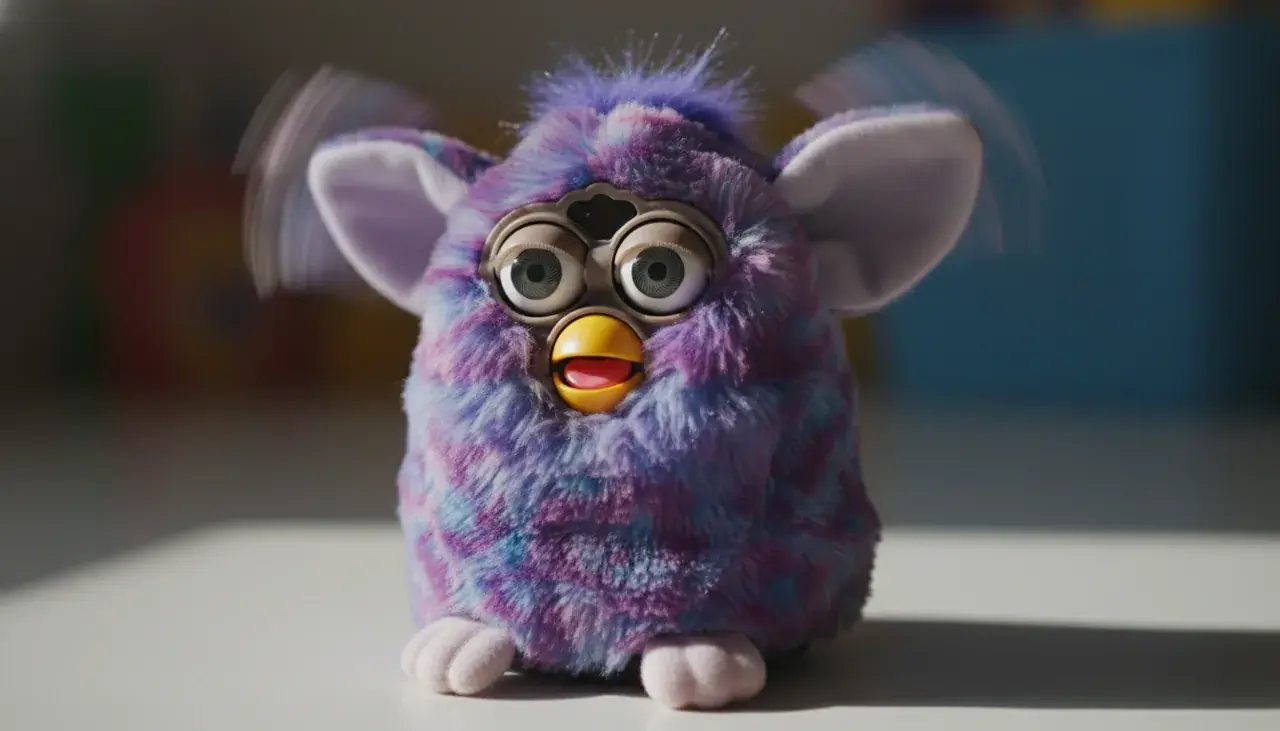
Beyond looks, the way Furbies moved and sounded played a huge role in unsettling people. Inside those soft bodies were several small motors and gears that drove eyelids, head tilts, and beak motions; the result was often jerky, slightly asynchronous movement rather than smooth, animal-like motion. For many observers, that mismatch between cute fur and mechanical motion made the toy feel like it had a mind of its own.
The audible side of the performance added to the effect: whirring motors, faint clicks, and gear noises reminded owners that this "pet" was powered by electronics. That contrast — a cuddly exterior revealing mechanical reality — amplified the uncanny sensation and made otherwise minor behaviors feel eerie.
Random Activation and Night Terrors
What really fueled late-night legends were unexpected activations. Early models used simple sensors and timed behaviors that could be triggered by touch, light changes, or internal timers; occasional power fluctuations and sensor quirks sometimes made Furbies start up unprompted. Many of the tales about children waking to a chattering Furby are community anecdotes from the 90s and early 2000s, amplified later when stories circulated online.
Because these incidents were startling, a common household response was to remove batteries at night — anecdotally many parents took that precaution. It’s worth noting there’s a normal technical explanation for brief post-removal activity (capacitors can store charge and allow a device to emit a final sound), which we'll cover later in the article.
"I woke up at 3 AM to my Furby chattering in its weird language. It was sitting on my shelf with those eyes just staring. I threw it in the closet and never took it out again."
Those personal stories became part of Furby lore. Years later, social media and meme culture revived and reshaped many of the horror-tinged anecdotes, introducing a new generation to the creepy side of these devices.
Discover Modern Furbies at Furby Toy Shop
Modern editions address many of the quirks that made originals unpredictable: improved motors, quieter mechanisms, and updated software produce smoother behaviour and fewer surprise activations. Whether you’re a collector of vintage models or looking for a safer, new generation toy for a child, Furby Toy Shop in Ashburn carries both vintage and current editions.
The Mysterious Furby Language and Learning
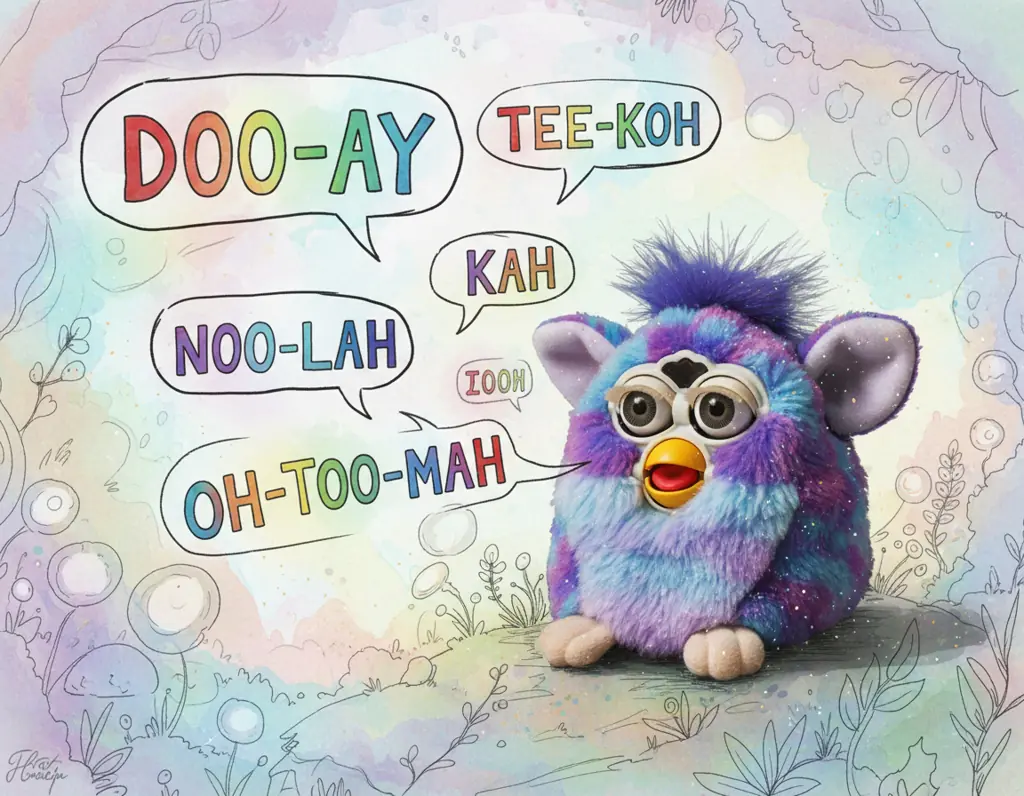
The original Furby introduced a novel — and unsettling to some — feature: it «spoke» its own invented language, commonly called Furbish, and over time appeared to substitute English words into its vocabulary. That apparent progression made the toy feel less like a simple toy and more like a learning creature, which fascinated kids and unnerved many adults.
To be precise, Tiger Electronics released the first Furby in 1998; Hasbro later produced updated generations. The language behavior was clever design rather than true learning from the environment: the device used pre-programmed language stages and timed sequences so that words gradually shifted from Furbish to more English-like phrases.
The Truth Behind Furby's Language Abilities
Despite folklore that Furbies were "listening" and learning, the truth is simpler and less spooky: the word changes were built into the toy's programming. Sensors and timed routines controlled when the toy played different phrases, creating the convincing illusion of language acquisition rather than real, adaptive learning.
That illusion was powerful. Children perceived agency and intentionality when a Furby started saying English words, and that perception turned into stories and misunderstandings about what the devices could actually do.
Furbish Phrases
The original Furbish vocabulary used short, sing-song sounds that mimicked language patterns without meaning — a design choice that made the toy feel like it had its own tongue.
- "Doo-ay" (Hello)
- "Kah" (Me)
- "May-may" (Food)
English Transition
The switch to English-like words happened via timed substitutions and stage-based audio programming. That gradual substitution created the convincing effect of language learning.
- Gradual word substitution
- Pre-programmed progression
- Timed language evolution
Cultural Impact
The language feature became central to Furby lore, inspiring affectionate play but also privacy concerns and wild stories about what the toys “knew.”
- Created bonding experiences for kids
- Sparked privacy questions and organizational bans
- Generated urban legends and media stories worldwide
Conspiracy Theories and Privacy Concerns
Because Furbies sounded like they were communicating, some people feared they might be recording conversations. That led to restrictions in certain secure areas—not because Furbies were proven to record, but because any electronic device raised security flags. The resulting media coverage and official advisories amplified the toy’s mysterious reputation across the world.
Separating myth from reality helps: Furbies did not have microphones that recorded and stored conversations in the way people often imagined. If you need a concise answer for worried parents: Furbies used sensors and pre-recorded phrases; they did not function as covert audio recorders.
Dark Furby Stories and Urban Legends
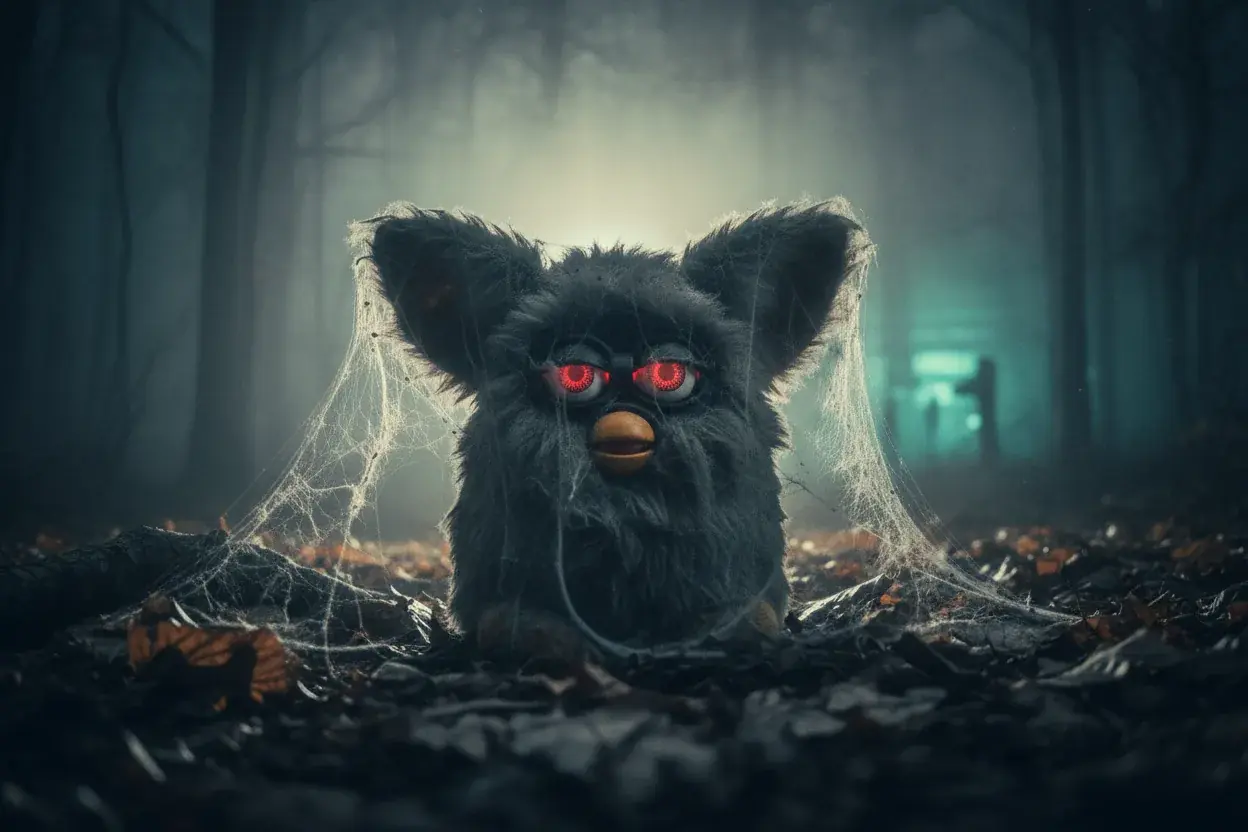
The early web and later social platforms became fertile ground for Furby stories that ranged from mildly eerie to full-blown horror. Community forums, message boards, and memes helped turn a handful of odd experiences into shared tales that are now part of Furby culture.
Common accounts include toys that seemed to keep talking after batteries were removed or units that developed strange, raspy voices over time. While these anecdotes are chilling, most have mundane technical explanations — mechanical wear, failing motors, or residual charge — even as they fed into fears about devices "turning evil."
The Legend of Evil Furbies
Stories of Furbies that allegedly "turn evil" persisted because small changes in sound or behavior can seem dramatic to an impressionable child. Over years of use, motors and gears wear down, batteries drain unevenly, and speakers degrade — all of which can alter voice pitch and introduce odd noises. To a child in the 90s or early 2000s, those changes could easily be interpreted as a personality shift.
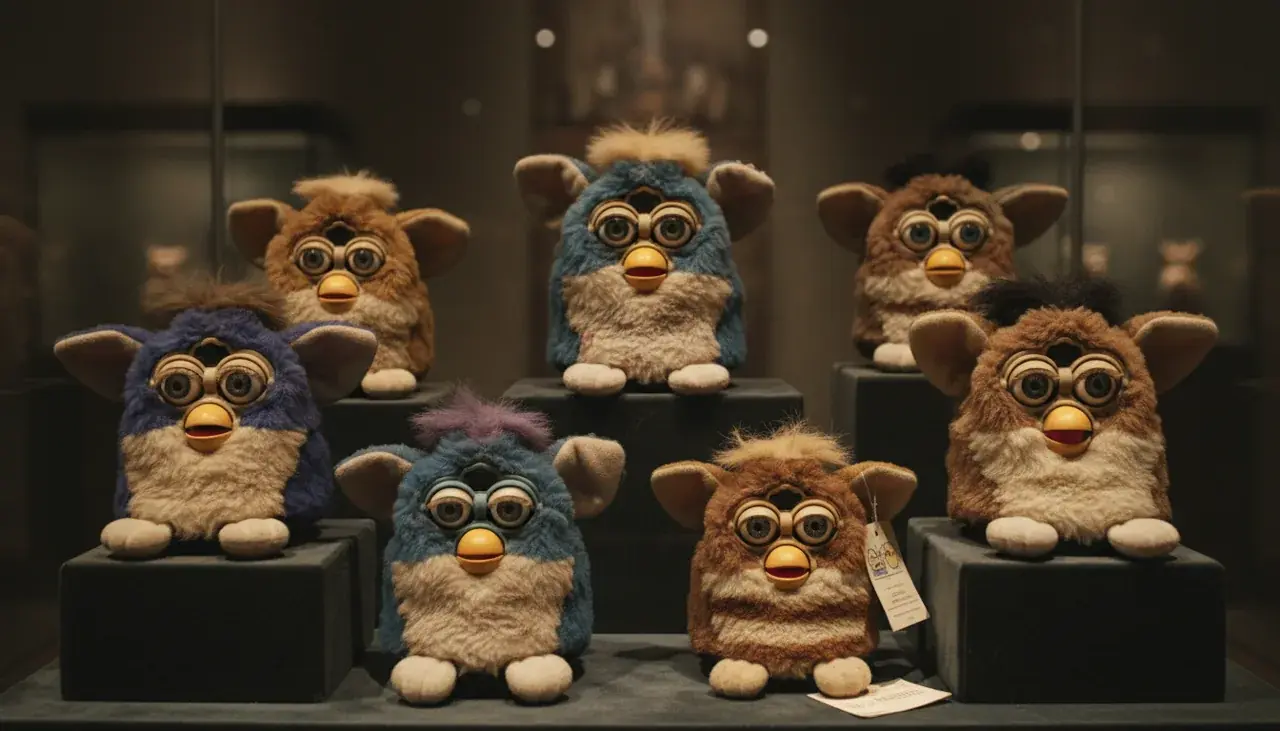
That mechanical explanation doesn’t make the stories any less compelling — it just reframes them. The combination of familiar fur and unpredictable inner workings created an emotional contrast that spurred both fond memories and nightmare anecdotes.
Positive Furby Memories
- Interactive play experiences with a responsive pet-like companion
- Learning to care for an electronic toy and its maintenance
- Bonding with friends over shared Furby culture and stories
- Nostalgia for a specific technological moment in toys
- Gateway interest in robotics, design, and tinkering
Nightmare Furby Experiences
- Unexpected nighttime activations and sleep disruptions
- Feeling constantly watched by realistic eyes and motion
- Unsettling mechanical sounds and degrading voice quality
- Fears the toy had developed an independent personality
- Difficulty disposing of or giving away an emotionally charged device
Internet Culture and Furby Memes
As social media matured, the Furby horror narrative found new life: memes, short videos, and forum threads amplified original anecdotes and introduced them to younger fans. The "long Furby" and other creative twists turned the toy’s creepier aspects into art and comedy, reclaiming the uncanny as part of an affectionate fandom.
Many of the most viral long-Furby projects are community-driven art pieces, not defects — an example of fans embracing the toy’s oddness rather than rejecting it.
Why Furbies Won't Die: The Immortal Toy Phenomenon
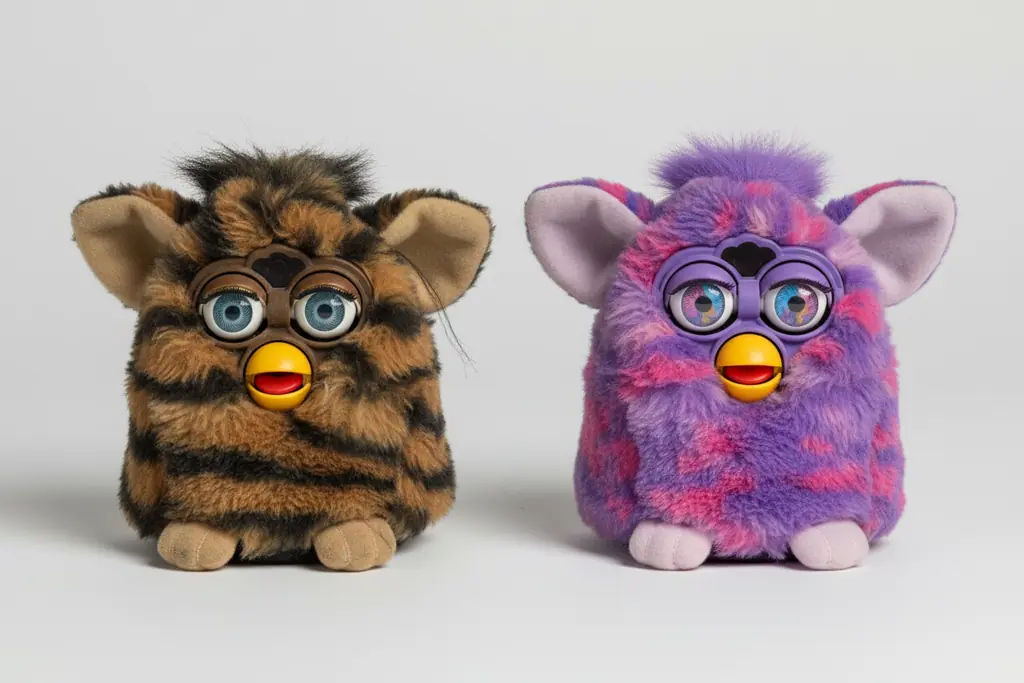
Another persistent myth is that Furbies are nearly indestructible — owners often reported difficulty silencing or permanently discarding older units. Technically, some brief sounds after battery removal are explained by residual capacitor charge; a device can emit short bursts until stored energy is depleted. That phenomenon is normal for many electronic devices and not evidence of supernatural persistence.
Still, the image of a toy that refuses to die is a powerful one, and it helped fuel late-night tales and urban legends about haunted or immortal Furbies.
The Psychology of Attachment and Fear
Beyond mechanics, emotional attachment shapes how people remember and tell these stories. Children and parents formed real bonds with Furbies, and that emotional investment made every creak, late-night chattering, or altered voice into a meaningful event. Psychologists note that ambiguous objects — something between pet and device — invite projection of feelings, both positive and fearful.
Understanding the interplay between attachment, perception, and mechanical failure helps demystify the "immortal" reputation while preserving the nostalgic affection many fans still feel.
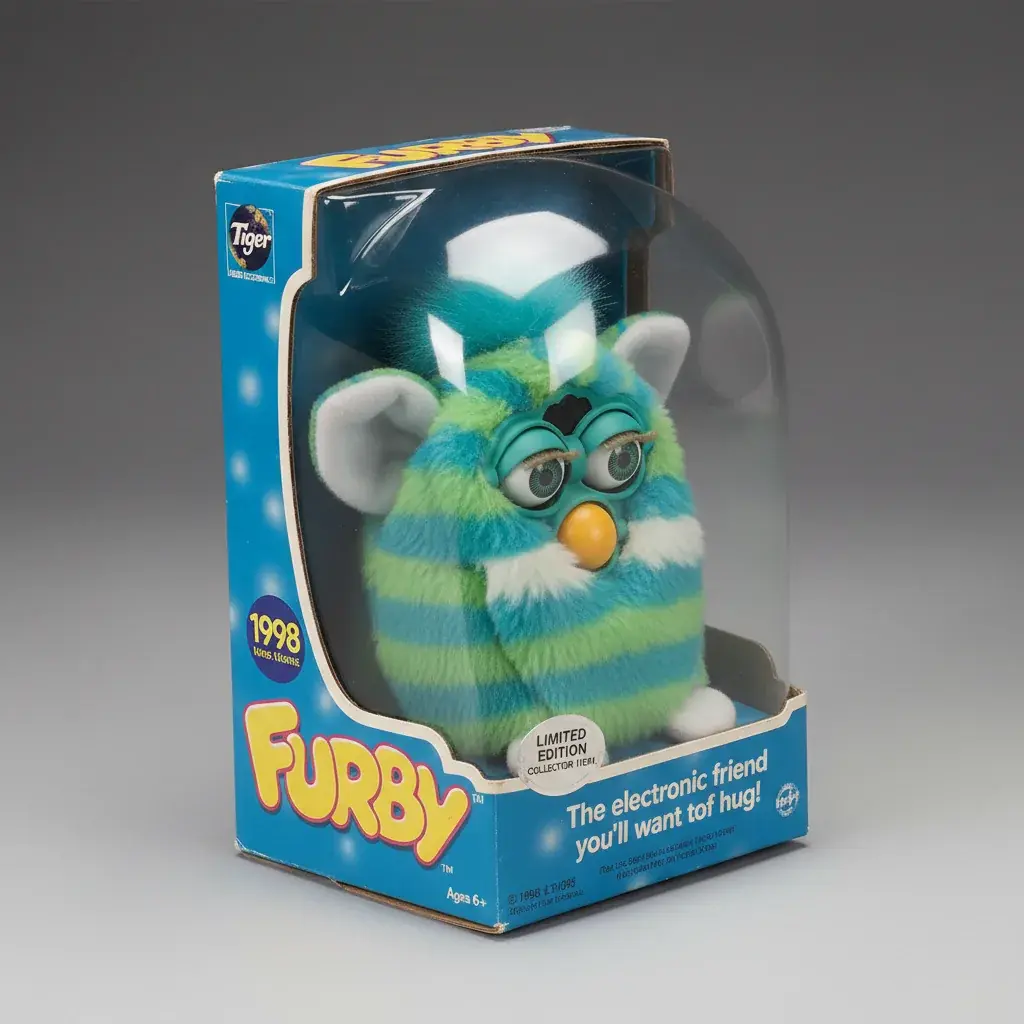
Classic 90s Furbies
The original models that sparked the frenzy remain beloved by collectors. Many vintage units show the same quirks that led to stories, but for collectors those quirks are part of the charm.
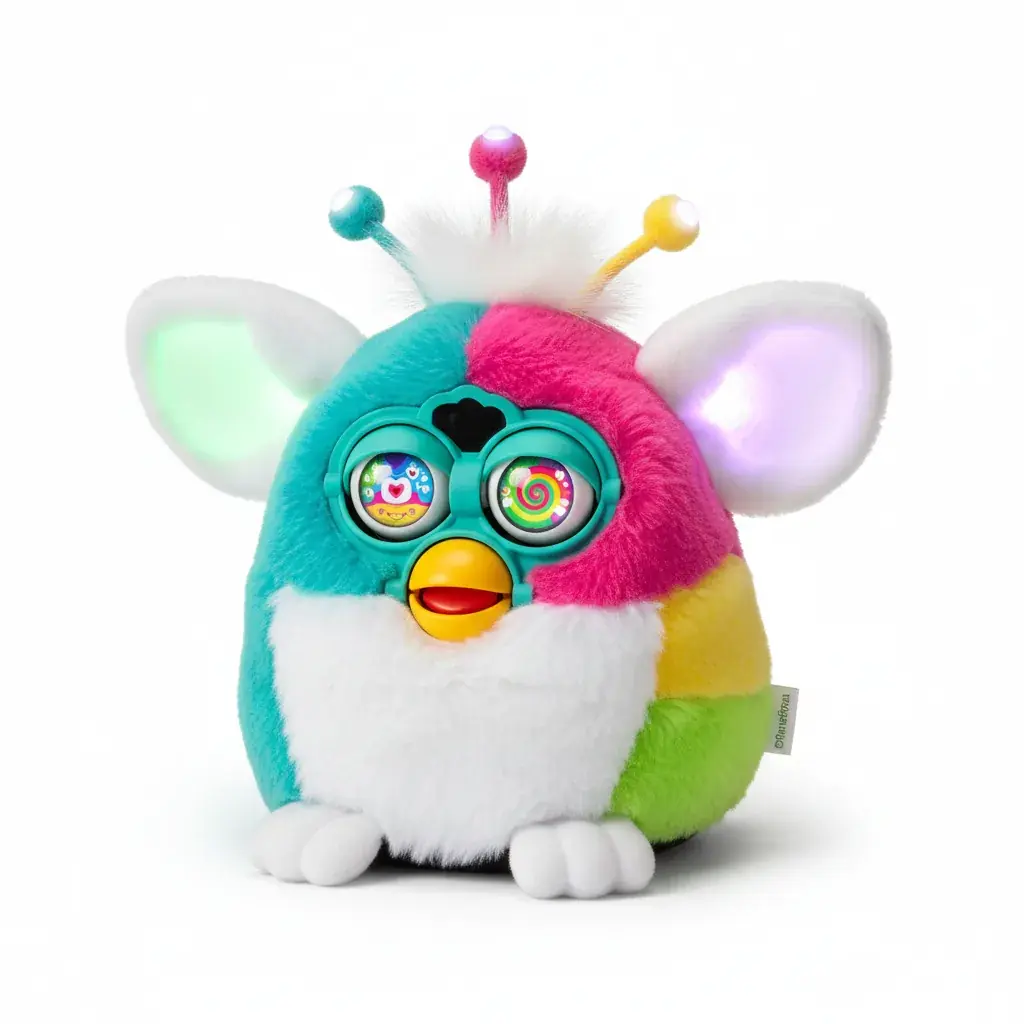
Modern Furby Editions
Modern Furbies incorporate quieter motors, refined voice synthesis, and software improvements to reduce surprise activations and the noisier mechanical sounds that once worried parents.
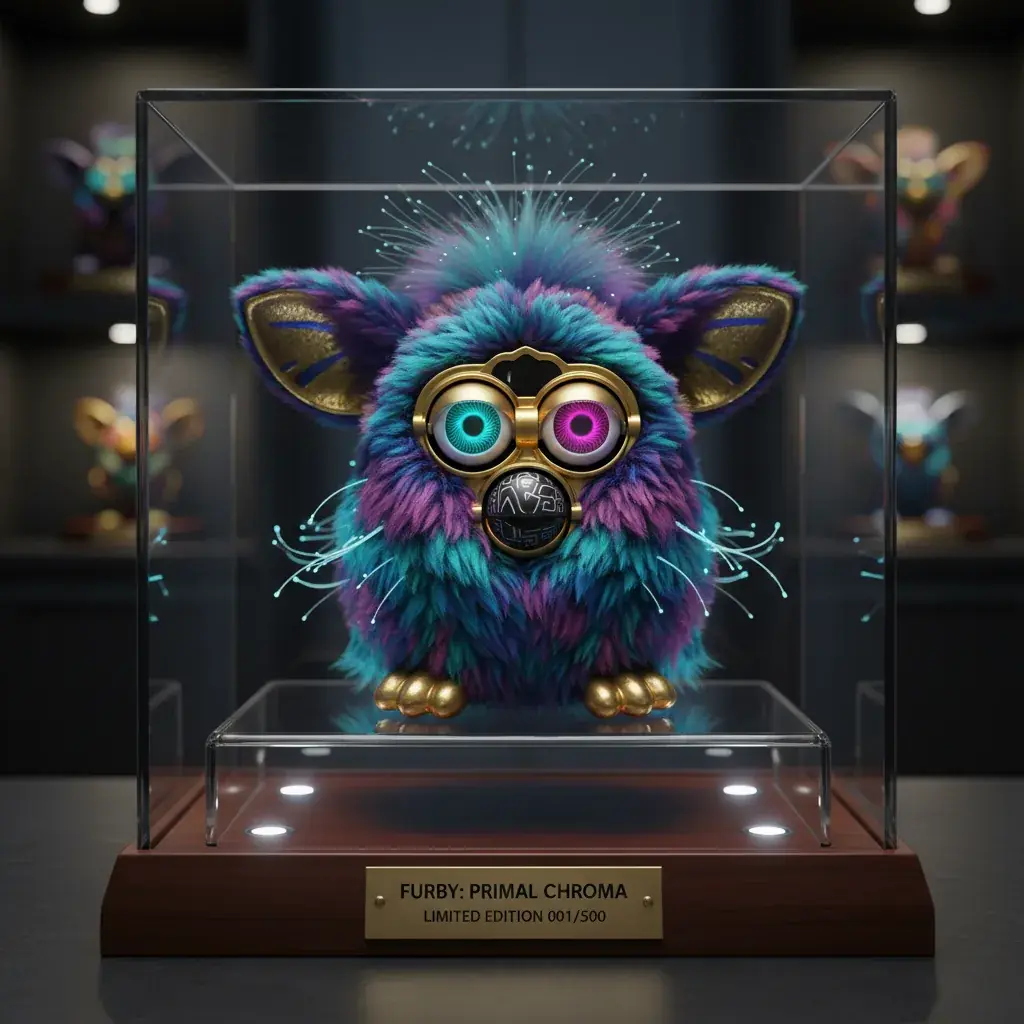
Collector's Editions
Limited releases and special editions cater to fans who want pristine examples or unique variations — important considerations when evaluating condition and provenance for resale or display.
Cultural Impact and Media Portrayal of Furbies
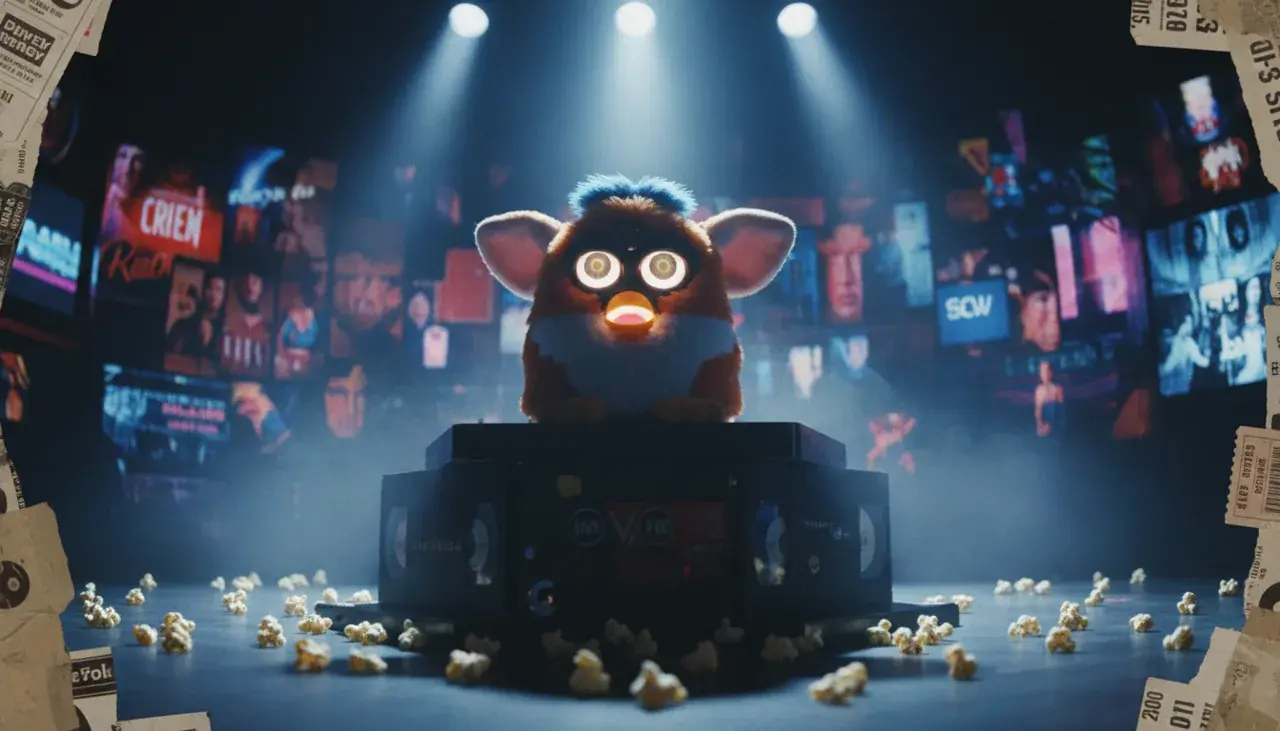
Media coverage and pop culture played a big role in cementing the Furby’s reputation. News stories about workplace and facility restrictions, magazine write-ups, and later internet commentary turned isolated concerns into widespread narratives — giving Furbies an aura that blended technological anxiety with a dash of the macabre.
Furbies also cropped up in entertainment as shorthand for creepy toys: sketch comedy and late-night programs would use them for comic effect, while horror-tinged shorts and web videos leaned into the uncanny. Notable examples include satirical sketches and indie horror shorts that referenced Furbies’ eerie behaviors (see citations in the final article for specific episodes and clips).
Furby in Horror and Comedy
The dual nature of the Furby — cute but unsettling — made it a flexible prop. Comedians used that contrast to lampoon consumer crazes and parenting anxieties; horror creators used the same traits to suggest something unknowable lurking beneath a child's toy. Both angles kept Furby in the cultural conversation and helped move the story from local anecdotes to global memes.
As the internet spread these stories, a global audience encountered the Furby lore. Clips, lists, and memes transported the toy’s creepy side around the world, ensuring that even people who never owned one understood the common jokes and scares.
- Cutting-edge interactive technology
- Must-have holiday gift creating shopping frenzy
- Source of genuine parental concern
- Symbol of tech advancement in toys
- Subject of security and privacy fears
90s Early 2000s Perception
- Nostalgic reminder of childhood
- Collectible vintage items with value
- Internet culture icon and meme subject
- Historical example of tech adoption anxiety
- Beloved despite (or because of) creepiness
Modern Perspective
- Inspiration for modern interactive toys and smart devices (voice assistants, companion toys)
- Template for design lessons in avoiding the uncanny valley
- Case study in product design, psychology, and media influence
- Active collector and fan community
- Continued interest in new generations and reissues
Ongoing Legacy
The Science Behind Why Furbies Were So Creepy
To understand why so many people found Furbies unsettling, it helps to look at psychological and perceptual science. Several overlapping phenomena — from anthropomorphism to pareidolia — explain the low-level unease that these devices provoked.
Anthropomorphism and Emotional Projection
Anthropomorphism is our tendency to assign human traits to non-human things. Furbies were explicitly designed to invite that projection: they responded to touch, produced vocalizations, and displayed behaviors that mimicked development. This encouraged emotional bonds, but also made any odd behavior feel personal and intentional.
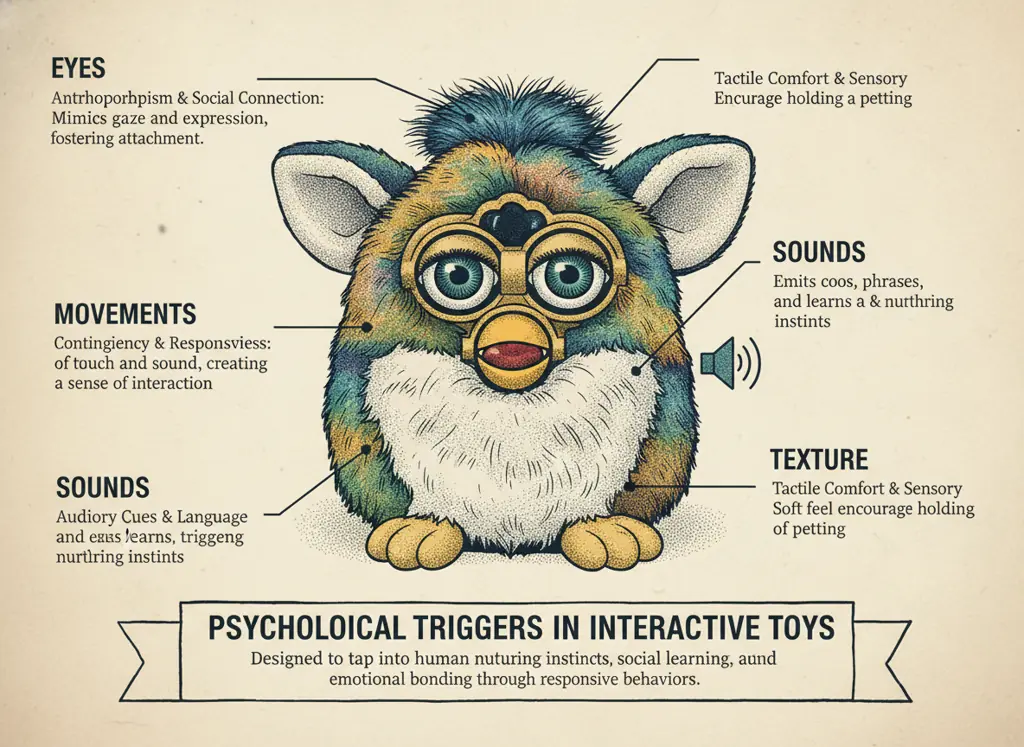
When an object behaves as if it has intentions, our brains attempt to categorize it. Furbies sat awkwardly between "toy" and "creature," creating cognitive dissonance that many experienced as discomfort rather than delight.
Pareidolia and Pattern Recognition
Pareidolia — seeing faces or patterns where none are intended — also played a part. Furby’s large eyes and beak-like mouth provided enough facial cues for the brain’s face-recognition systems to latch onto, but not enough accuracy to satisfy those systems fully. That near-recognition activates threat-detection circuits and produces a subtle, persistent anxiety.
Key Psychological Factors
The uncanny valley intersects with anthropomorphism and pareidolia: the result is a consistent explanation for why certain toys and devices trigger discomfort. For readers who want more depth, include references to classic uncanny valley studies and perceptual research in the final published piece.
Furby Evolution: From 90s to Today
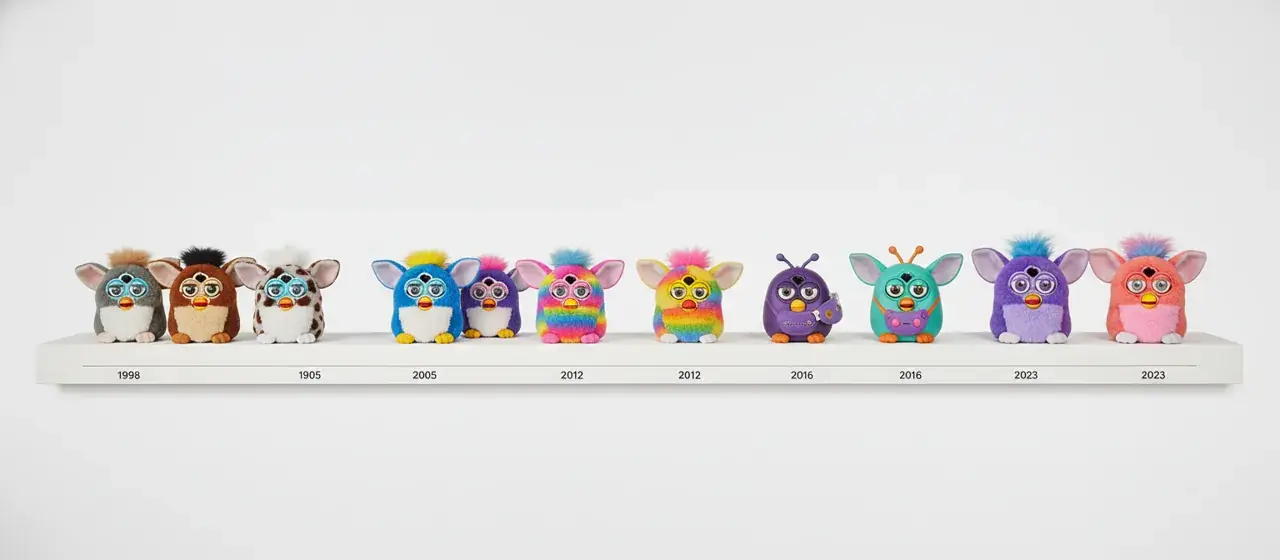
The Furby craze began in 1998 when Tiger Electronics introduced the original model, and the toy quickly became one of the most talked-about gadgets of the late 90s. Subsequent corporate stewardship and reissues (including Hasbro's later involvement with newer generations) refined the product while preserving the core concept: an interactive companion that reacts and "grows" over time.
Modern Furbies address many of the traits that made early models unsettling. Newer editions use LCD eyes or screen animations instead of layered plastic eyeballs, improved voice synthesis instead of lo-fi mechanical audio, and smoother motors that cut down on jerky, attention-grabbing motions. These updates keep the charm while reducing some of the uncanny aspects that worried parents in the 90s and early 2000s.
What Changed and What Stayed the Same
Across generations, Furby retained core features — interactive responses, staged language progression, and personality-like behaviors — but the implementation evolved. Connectivity and app integration in the newest models let parents and owners customize behavior, control features, and limit surprises, which helps keep the toy from seeming unpredictable.
In short: the new generation keeps the play-focused, pet-like experience but with modern engineering and software that mitigate many earlier quirks.
| Feature | Original Furby (1998) | Modern Furby (2023) |
|---|---|---|
| Eye Type | Plastic with mechanical movement | LCD screen with animations |
| Voice Quality | Mechanical, sometimes distorted | Digital, clear audio |
| Connectivity | None | Bluetooth app integration |
| Movement | Limited, jerky motions | Smoother, more natural |
| Battery Life | Limited, unpredictable | Improved, with sleep modes |
| Language | Furbish to English progression | Multiple languages, customizable |
The Thriving Furby Collector Community
Despite—or because of—their quirky reputation, Furbies have developed an active collector community. Fans hunt down rare colorways, limited editions, and well-preserved vintage units; that community turns perceived oddities into desirable features.
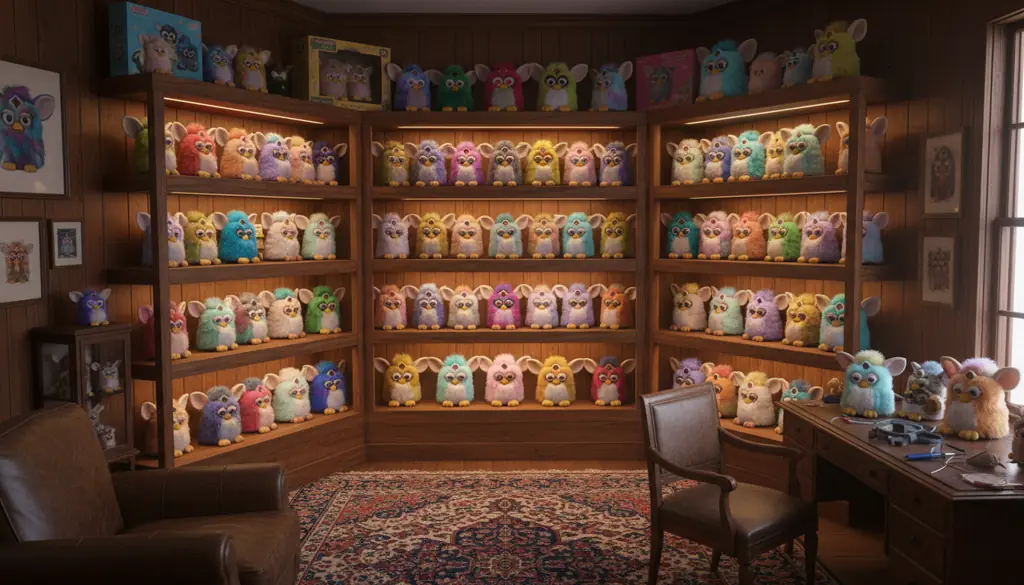
Social groups and marketplaces on the web bring together fans and collectors worldwide. Members share restoration tips, provenance advice, and trading opportunities — turning an initially scary toy into a shared hobby and source of camaraderie.
The Long Furby Phenomenon
The "long Furby" trend is a creative, community-led twist: artists and crafters extend or remake Furby bodies into elongated art pieces. These projects play up the uncanny features intentionally, converting creepiness into playful or surreal art that often goes viral on social media.
Long Furbies and custom builds have even appeared in curated exhibits and online showcases, demonstrating how fan creativity reframes the toy’s legacy.
Are vintage Furbies worth collecting today?
Yes—many vintage Furbies from the 90s and early 2000s are collectible. Common models are affordable, while rare editions or items in original packaging can fetch higher prices among serious collectors. Condition, rarity, and provenance drive value.
Were Furbies actually banned by the NSA?
There were reports of Furbies being restricted in some secure areas due to concerns about electronics in sensitive environments. However, the idea that Furbies were banned because they secretly recorded conversations is a misunderstanding. Policies were precautionary rather than based on evidence of recording capabilities.
Can Furbies really work without batteries?
Furbies require batteries to function. Brief post-removal behavior is explained by residual capacitor charge powering momentary sounds or movement; it isn’t sustained operation without a power source.
What makes modern Furbies less creepy than originals?
Modern models use animation-capable screens for eyes, clearer digital audio, and more refined motor control, plus app-based parental controls. Those features reduce the jagged, mechanical cues that fed the uncanny effect in earlier models.