Furby Collectors Guide | Furby Toy Shop
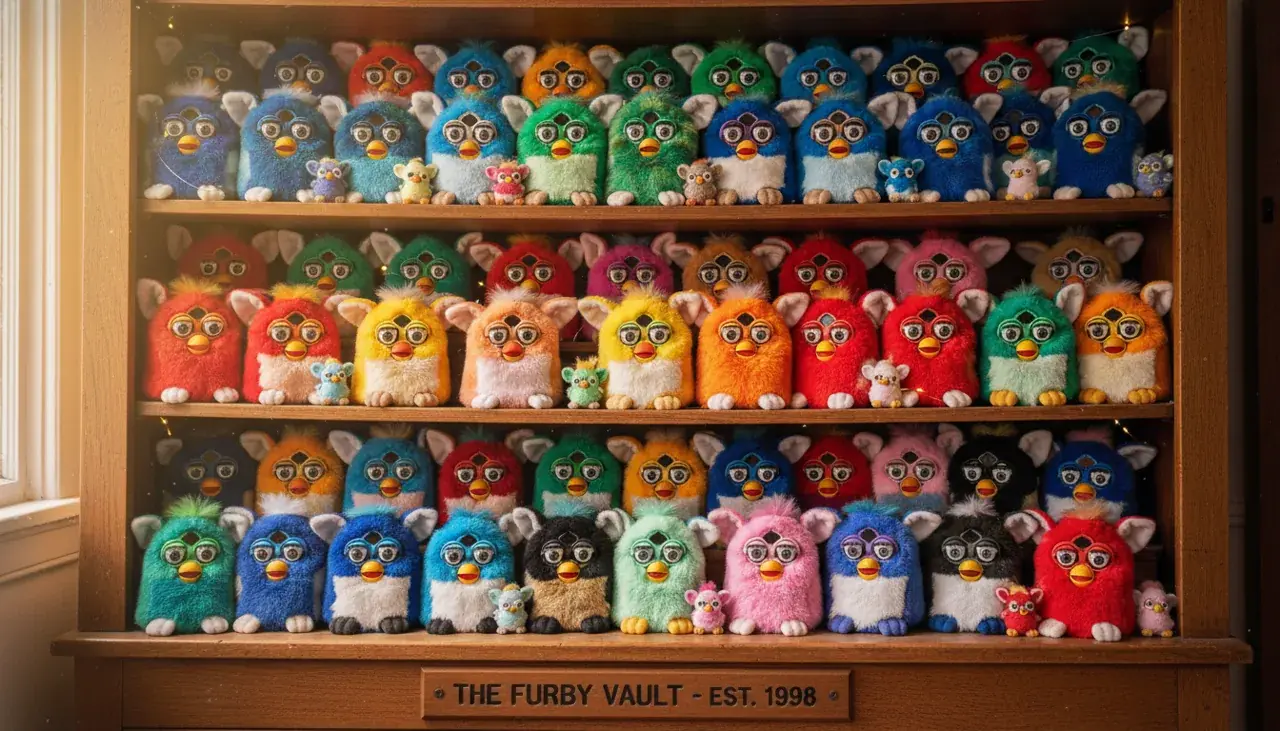
The world of Furby collecting has exploded in recent years. What started as a beloved toy craze in the late '90s has transformed into a passionate collector's market where vintage Furby toys command impressive prices. Whether you're drawn to the charm of original packaging or hunting for that special Furby angel edition, this furby collectors guide will walk you through everything you need to build a meaningful collection.
Collecting these interactive companions brings pure joy. Each Furby carries its own personality and unique features that sparked creativity in millions of children. Today's collectors rediscover that same magic while celebrating the nostalgia of these remarkable toys.
Why Furby Toys Became Treasured Collectibles
Furby toys captured hearts when they first appeared in 1998. These interactive creatures represented something truly groundbreaking at the time. They could "learn" English, respond to touch, and create emotional bonds with their owners. That innovation combined with limited production runs of certain editions created the perfect storm for collectibility.
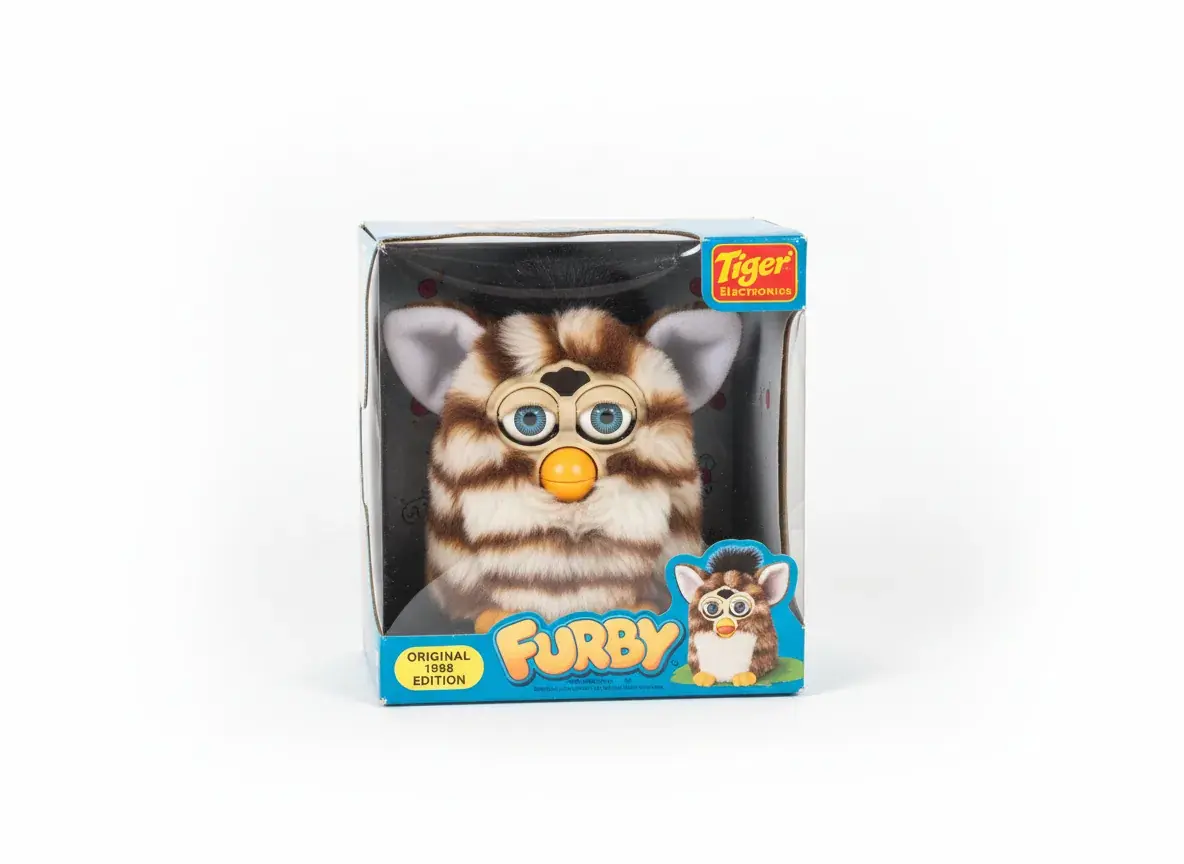
The furby market thrives on several factors. Nostalgia drives many collectors who grew up with these toys during their childhood. The emotional connection runs deep. Others appreciate the fascinating evolution of robotics and interactive toy technology that Furby pioneered. Each generation brought new features and innovations worth preserving.
Rarity plays a crucial role in value. Special editions produced in limited quantities have become highly sought after. Original packaging dramatically increases worth, as does pristine condition. The combination of nostalgia, technological significance, and genuine scarcity creates lasting collector appeal.
Nostalgia Factor
Adults who played with Furbys as children now seek to recapture those magical memories through collecting.
- Emotional connection from childhood experiences
- Desire to share Furby magic with new generations
- Appreciation for late '90s pop culture artifacts
- Community bonding over shared memories
Investment Potential
Certain Furby editions have appreciated significantly in value over time, attracting investment-minded collectors.
- Rare editions commanding premium prices
- Growing collector market increases demand
- Limited production runs ensure scarcity
- Mint condition pieces becoming rarer yearly
Historical Significance
Furbys represent an important milestone in interactive toy development and consumer robotics history.
- Pioneering voice recognition technology
- Cultural phenomenon of the late 1990s
- Evolution of artificial intelligence in toys
- Documentation of tech innovation timeline
Artistic Appeal
The diverse designs, colors, and patterns make Furby collecting a visually rewarding hobby.
- Hundreds of color combinations and patterns
- Special themed editions with unique aesthetics
- Creative display possibilities for collections
- Appreciation for toy design evolution
The Fascinating History and Evolution of Furby Toys
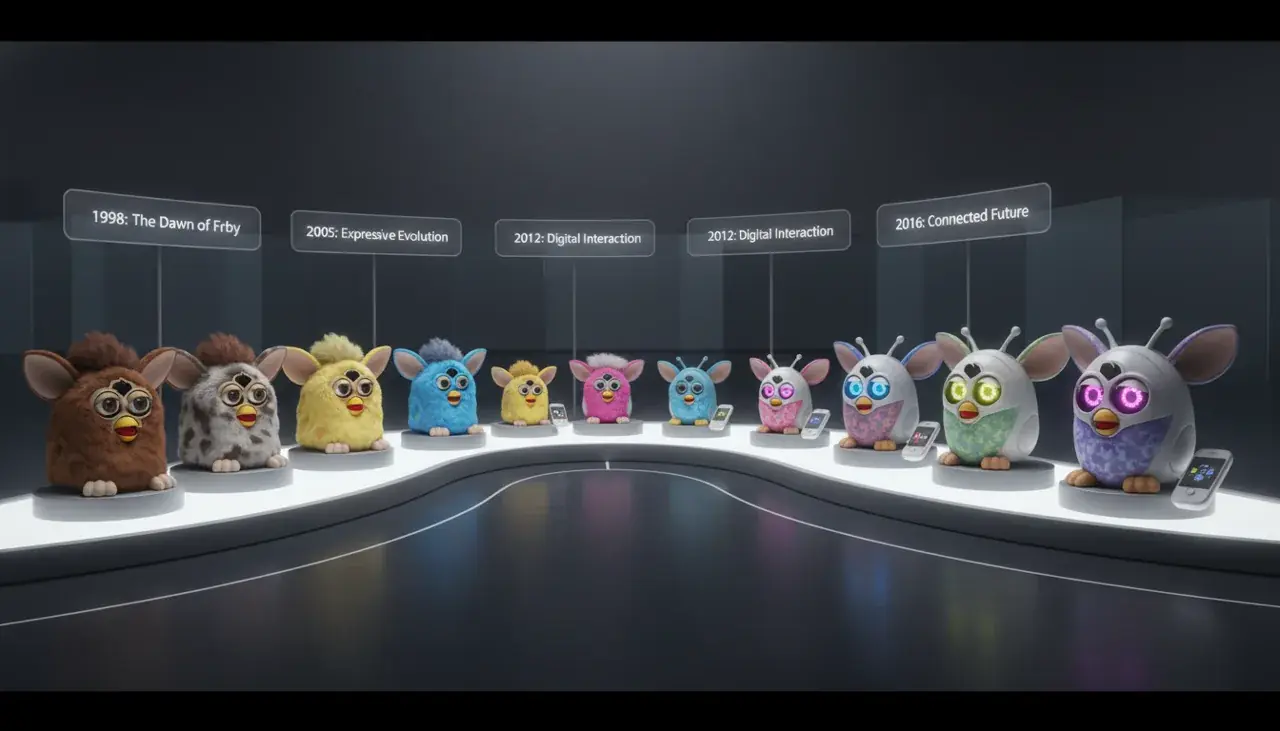
Understanding Furby history enriches any collection. Dave Hampton and Caleb Chung created the original Furby in 1998, launching a phenomenon that would span decades. Tiger Electronics released the first generation, and these toys immediately became the must-have item of that holiday season. Stores couldn't keep them in stock.
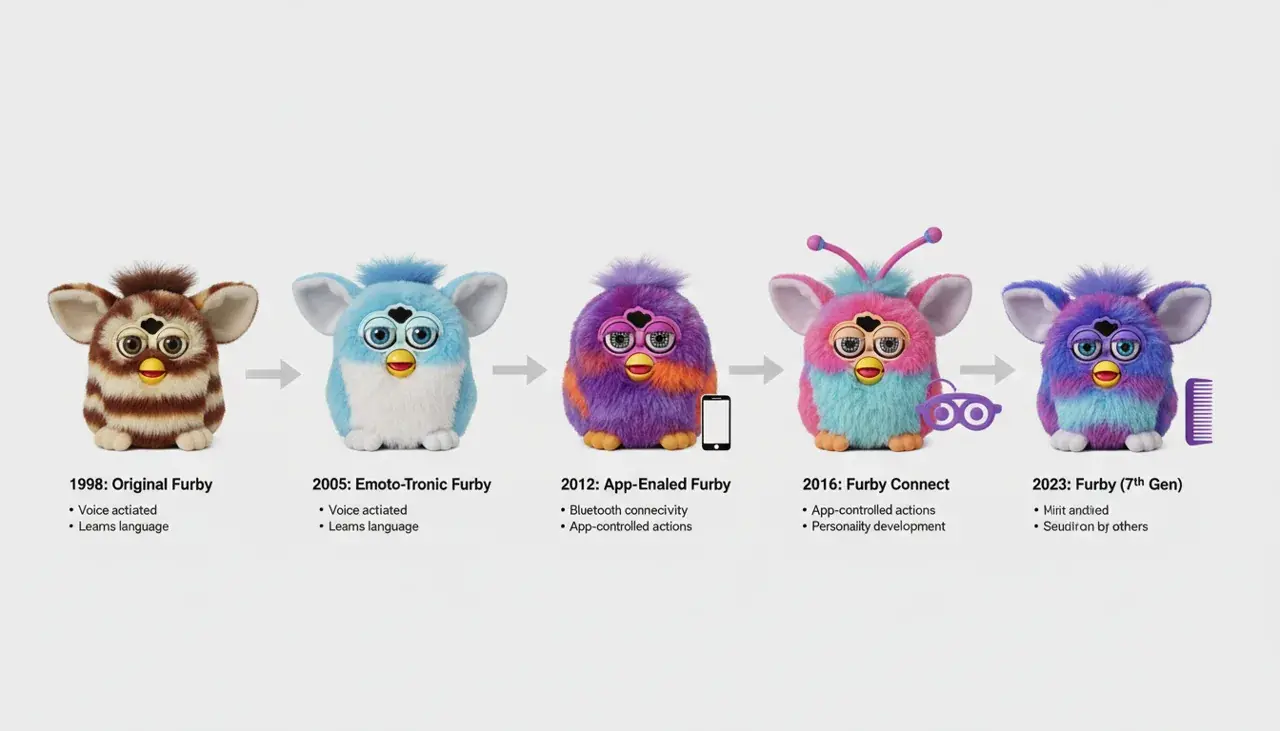
The original Furby spoke "Furbish" initially and gradually learned English words through interaction. This feature fascinated children and adults alike. The technology felt magical at the time. These early models featured simple electronic eyes and mechanical movements that still charm collectors today.
Original Generation (1998-2000)
The first generation Furby remains highly collectible. These toys came in dozens of different color combinations and patterns. Common features included the distinctive beak, large ears, and feet that activated sensors. The original Furby established all the beloved characteristics that define these creatures.
Original packaging from this era has become particularly valuable. Sealed boxes command premium prices in the furby market. Even opened examples in excellent condition attract serious collector interest. The combination of being the first generation and featuring simpler electronics that have aged well makes these especially desirable.
Furby Babies (1999-2002)
Tiger Electronics introduced Furby babies as smaller, simplified versions. These compact companions featured higher-pitched voices and came in adorable color schemes. While less technologically complex than their larger counterparts, furby babies hold special places in many collections.
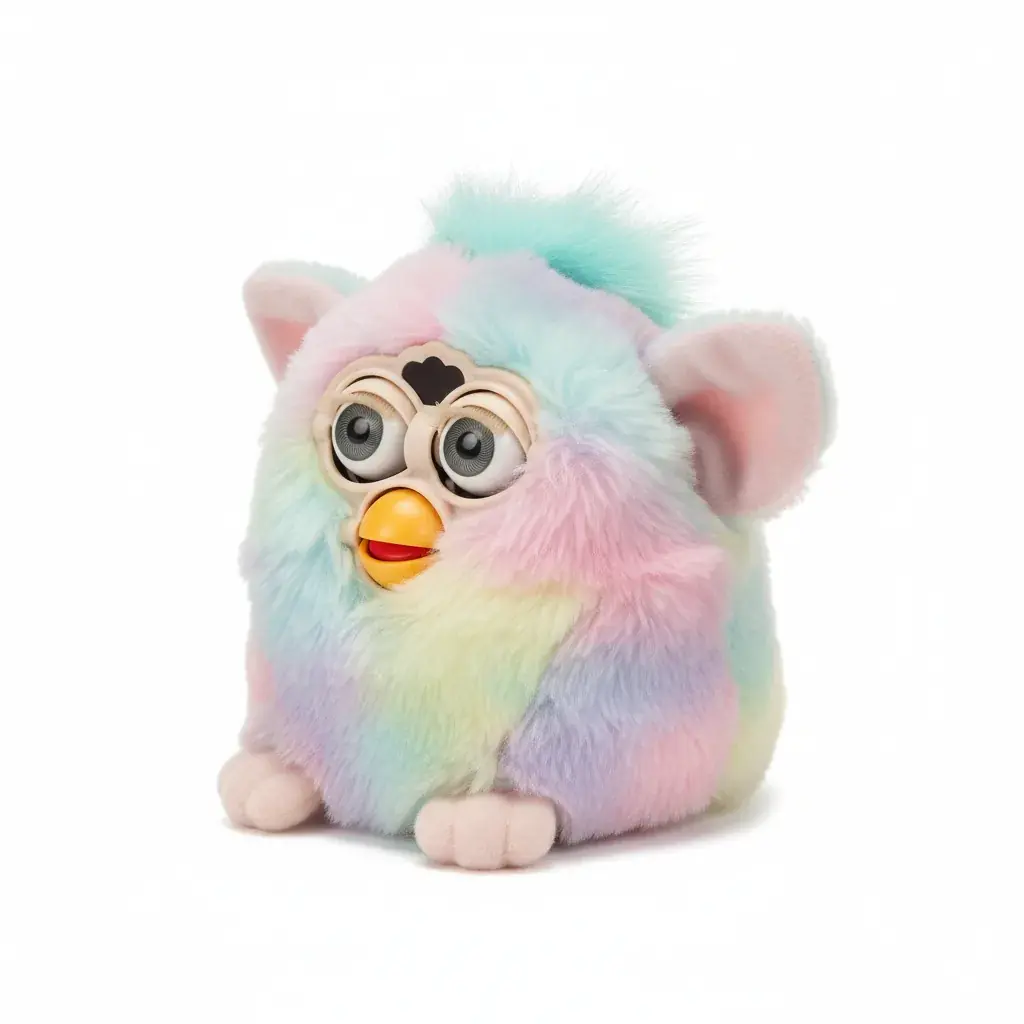
Collectors appreciate furby baby models for their unique charm. The smaller size makes them easier to display in quantity. Certain limited edition furby babies in specific colors have become quite rare. Their appeal crosses generations, attracting both those who remember the originals and new collectors drawn to their adorable designs.
Emoto-Tronic Generation (2005-2007)
After a brief hiatus, Hasbro revived Furby with the emoto-tronic furby line. These featured more advanced electronics, including voice recognition capabilities and more expressive LED eyes. The emoto-tronic furby could display different emotions through eye animations and had expanded vocabularies.
This generation introduced new interactive possibilities. Furbys could now sing songs, play games, and respond to specific voice commands. While not as universally beloved as originals, the emoto-tronic furby represents an important evolution. Collectors interested in technological progression particularly value these models.
Modern Generations (2012-Present)
Hasbro's 2012 relaunch brought Furby into the smartphone era. Furby boom models could connect to apps, offering digital interaction alongside physical play. Later versions included Furby Connect with Bluetooth capabilities. These modern iterations appeal to collectors focused on complete generational representation.
Each new generation brought distinctive features and designs. The furby collecting community includes enthusiasts who specialize in specific eras. Understanding this evolution helps collectors make informed decisions about which generations align with their interests and budgets.
Essential Tips for Starting Your Furby Collection
Beginning a furby collectors journey feels exciting but can seem overwhelming. The sheer number of models, editions, and variations might appear daunting at first. Success comes from starting with clear goals and building knowledge gradually. Every expert collector began exactly where you are now.
Define Your Collection Focus
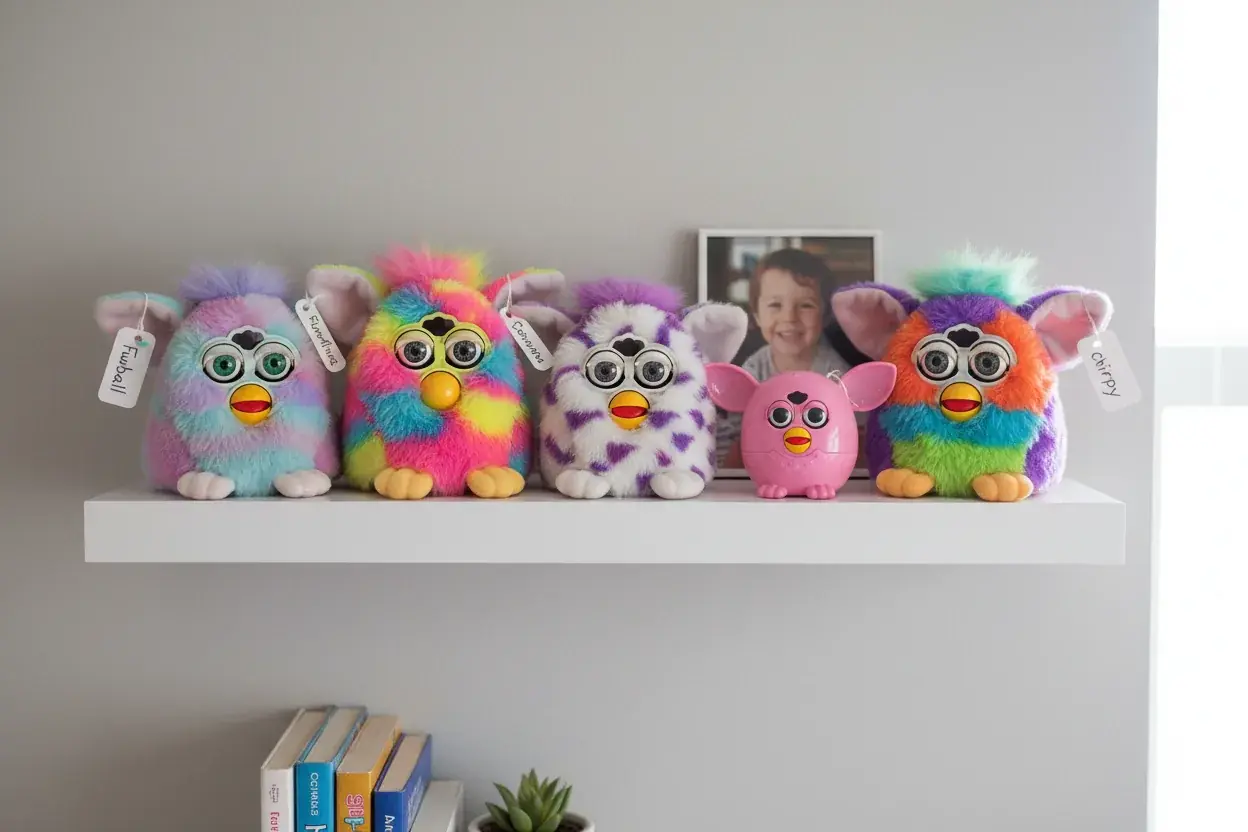
Successful collectors often specialize rather than trying to acquire everything. You might focus on original vintage furby models exclusively. Others concentrate on special editions or specific color families. Some collectors pursue complete generation sets. Defining your focus helps manage costs and creates more meaningful displays.
Consider what draws you to Furby collecting. Nostalgia for childhood toys might point toward original generation models from the late '90s. Interest in technology evolution suggests collecting across all generations. Budget constraints might lead to focusing on more affordable common editions before pursuing rare pieces.
Set a Realistic Budget
Furby value varies dramatically based on rarity, condition, and market trends. Common original Furbys in played-with condition might cost twenty to forty dollars. Rare special editions in original packaging can command hundreds or even thousands. Understanding price ranges prevents overspending and disappointment.
Start with more affordable pieces to build knowledge. As you learn to assess condition and authenticate models, you'll feel more confident investing in higher-value items. Many experienced collectors recommend spending at least a few months studying the market before making major purchases.
Know Where to Find Furbys
Multiple sources exist for building your collection. Online marketplaces offer vast selection but require careful authentication. Estate sales and thrift stores occasionally yield incredible finds at bargain prices. Specialty toy shops and collector conventions provide opportunities to inspect items personally before buying.
- Reputable online collectors' shops with authentication guarantees
- Estate sales where vintage toys appear unexpectedly
- Collector conventions and toy shows for rare finds
- Online auction sites with careful seller vetting
- Social media collector groups with member sales
- Antique malls specializing in vintage toys
Start Your Collection with Confidence
Browse our authenticated Furby selection featuring models from every generation. Each piece comes with detailed condition descriptions and our quality guarantee.
Learn to Spot Authenticity
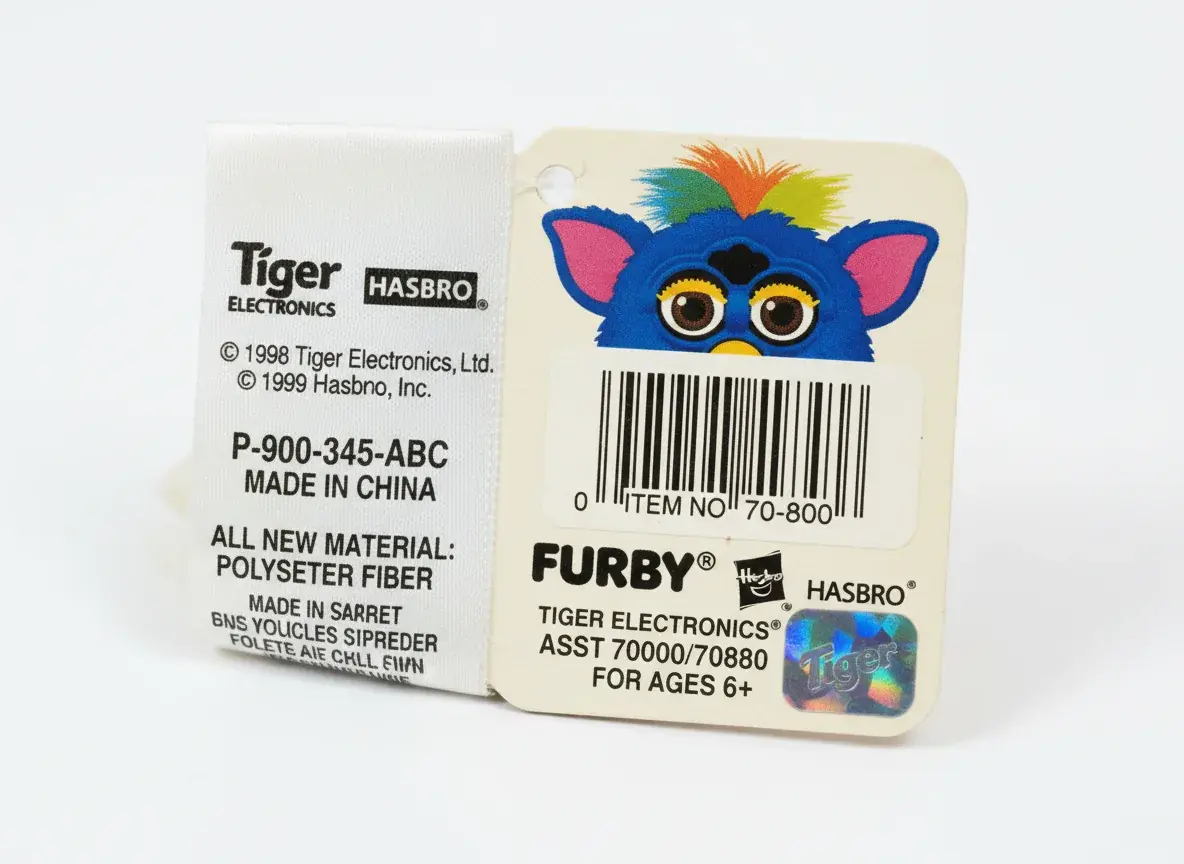
Reproduction Furbys and knock-offs exist in the market. Learning to identify authentic models protects your investment. Genuine Furbys have specific markings, quality materials, and construction details that fakes lack. Original packaging should show proper branding and production information.
Examine photos carefully when shopping online. Ask sellers for additional images of tags, battery compartments, and packaging details. Reputable sellers provide this information readily. Hesitation or refusal might indicate authenticity concerns. Trust your instincts when deals seem too good to be true.
Connect with the Collector Community
Joining furby collectors communities provides invaluable support. Experienced collectors share knowledge, help with authentication, and offer insider tips. These connections often lead to private sale opportunities before items hit public markets. The friendships formed around shared passion enhance the collecting experience.
Online forums and social media groups dedicated to furby collecting buzz with activity. Members discuss new finds, share restoration tips, and celebrate rare discoveries together. This community knowledge accelerates your learning curve dramatically. Don't hesitate to ask questions—the community welcomes enthusiastic newcomers.
Guide to Different Furby Generations and Special Editions
Each Furby generation and special edition offers distinct characteristics that appeal to different collector preferences. Understanding these variations helps you make informed decisions about which models deserve places in your collection. The diversity across editions means every collector can find Furbys that resonate personally.
Classic Original Furbys (1998-2000)
The original Furby generation includes the most variety in colors and patterns. Tiger Electronics produced these in numerous combinations, from common to exceptionally rare. The iconic design features became templates for all future generations. These vintage furby models typically have the highest nostalgia value.
Original 1998 Models
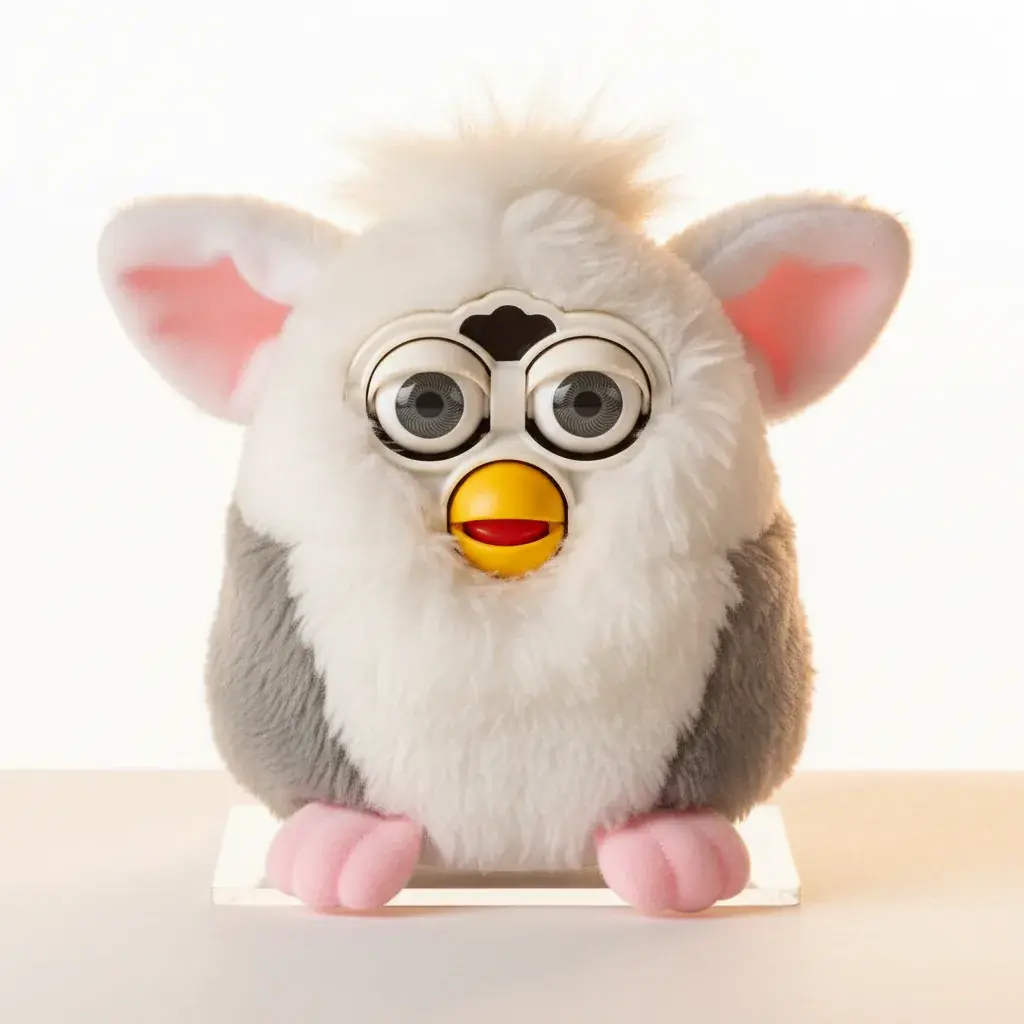
The first Furbys released feature simpler electronics and irresistible charm. Common colorways remain affordable, while rare patterns command premium prices. These defined what Furby means to an entire generation.
- Classic eye and beak mechanisms
- Original Furbish language programming
- Dozens of color combinations available
- Strong market demand and value retention
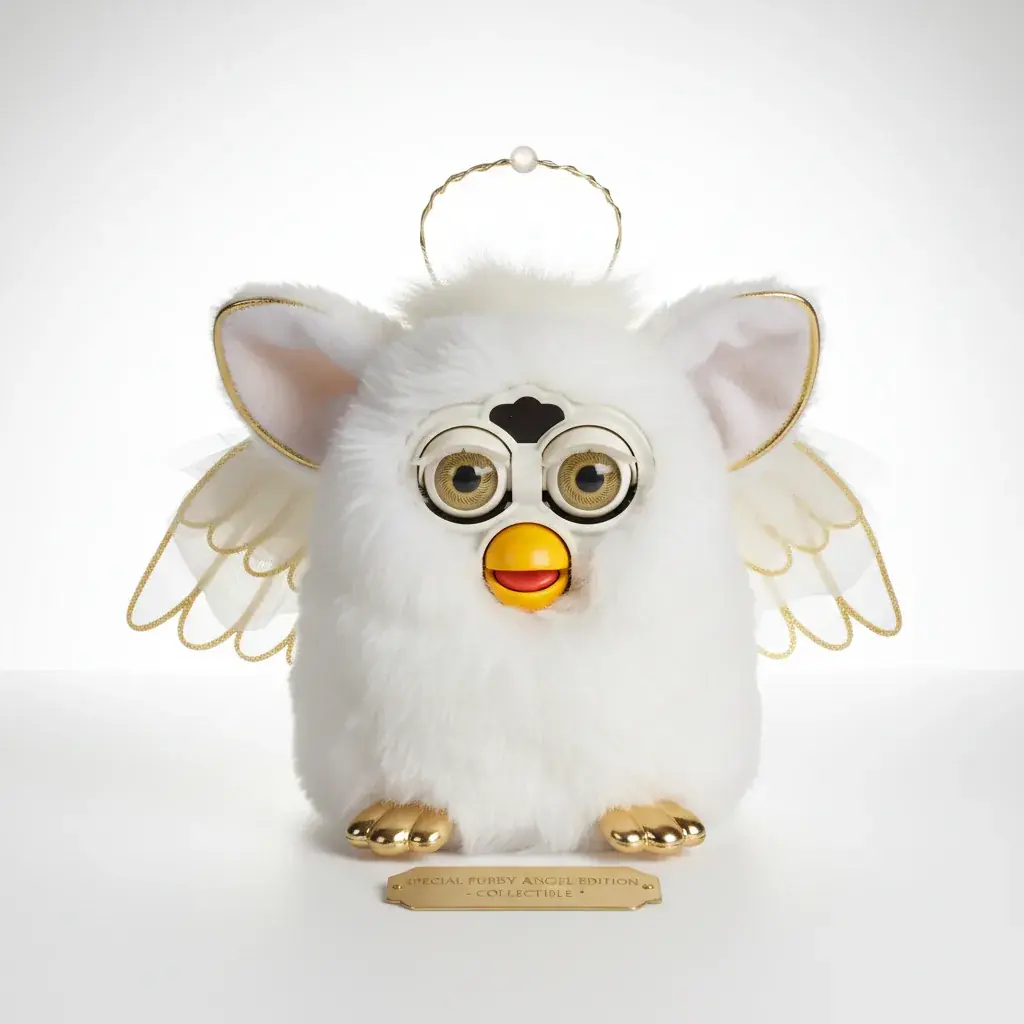
Special Furby Angel Edition
The special furby angel represents one of the most sought-after collectibles. This limited edition features distinctive white coloring and angel-themed details. Finding one in excellent condition creates excitement for any collector.
- Extremely limited production numbers
- Distinctive white and celestial design
- Commands high prices in collector market
- Often considered crown jewel of collections
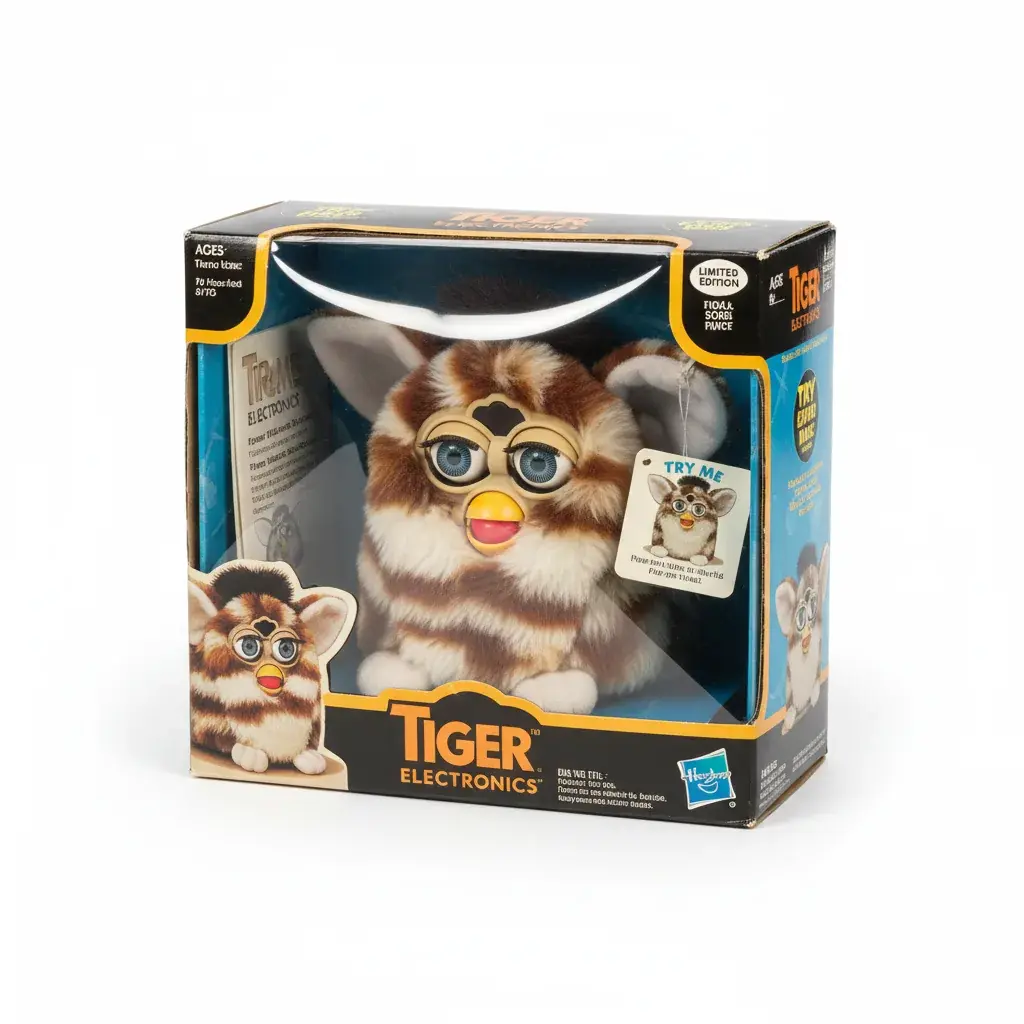
Mint in Box Originals
Original furby toys in unopened packaging represent the ultimate collectible grade. Original packaging dramatically increases value and desirability. These pieces become centerpieces of serious collections.
- Sealed packaging guarantees pristine condition
- Maximum value retention over time
- Rare finds in today's market
- Investment-quality collector pieces
Furby Babies Collection
The furby baby line offered collectors adorable smaller companions. These came in unique color schemes not available in full-sized models. While simpler in function, furby babies possess undeniable cuteness that appeals to many collectors. Their compact size allows for larger collections in limited display space.
Certain furby baby editions rank among the rarest finds. Limited production runs and specific retailer exclusives created instant scarcity. Collectors who focus on furby babies often amass impressive variety. The more affordable entry point compared to rare original Furbys makes this specialization accessible.
Emoto-Tronic and Modern Generations
The emoto-tronic furby generation introduced advanced features that fascinated tech enthusiasts. These models showcase the evolution of interactive toy technology. While generally more available than vintage models, certain emoto-tronic furby editions still command collector interest.
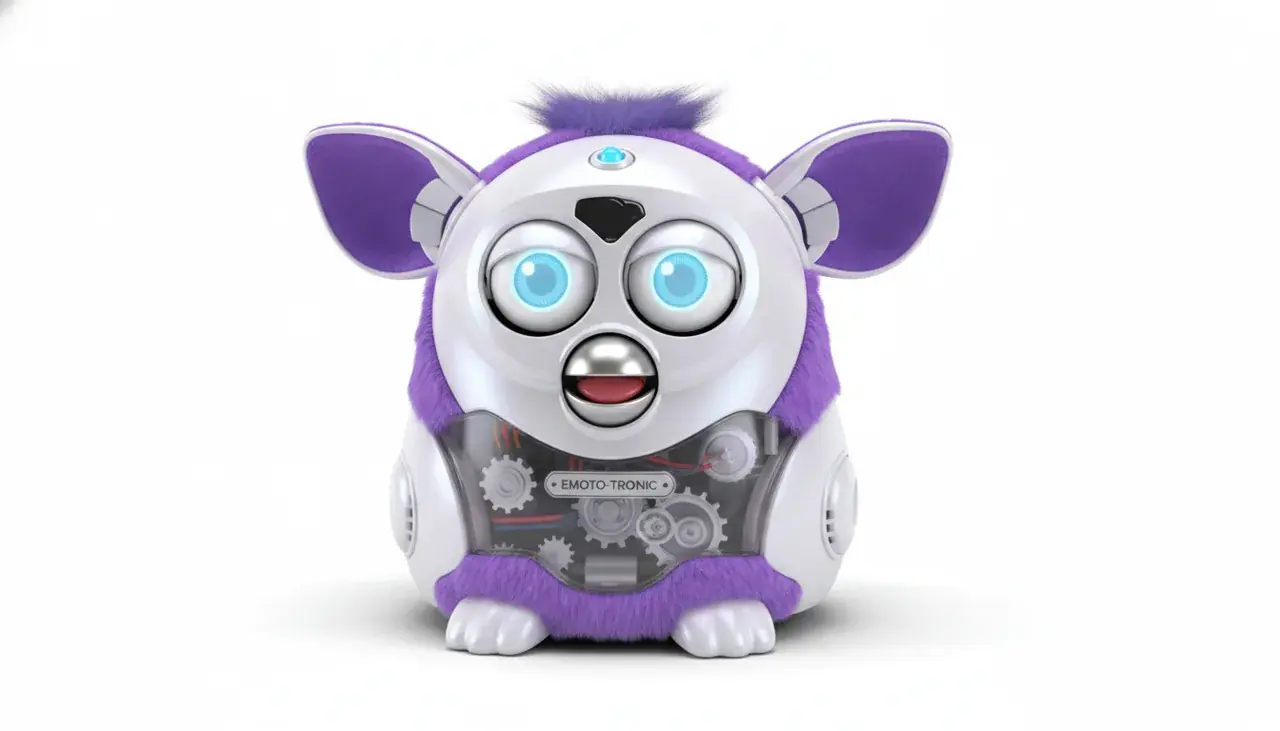
Furby boom and later Connect models appeal to completist collectors building comprehensive generation coverage. These pieces document furby collecting evolution and technological advancement. The smartphone integration represents a fascinating chapter in interactive toy history worth preserving.
Special and Limited Editions
Beyond generation differences, special editions create exciting collecting opportunities. Holiday themes, store exclusives, and promotional releases all qualify. A special furby might commemorate an event, feature unique materials, or showcase unusual colorways never repeated.
These special editions often have the highest rarity and corresponding value. Production numbers stayed deliberately low to create exclusivity. Collectors lucky enough to acquire multiple special editions build truly unique collections that stand out. The hunt for these treasures drives much of the excitement in furby collecting.
- Holiday-themed Furbys with seasonal colors and features
- Store-exclusive editions from major retailers
- Promotional models from special events or partnerships
- Limited run colors produced in small quantities
- Millennium and anniversary celebration editions
- International market exclusives not sold domestically
How to Identify Rare and Valuable Furbys
Determining furby value requires understanding multiple factors. Not all vintage furby toys carry equal worth. Specific characteristics separate common models from valuable furbies that command premium prices. Knowledge protects collectors from overpaying while helping identify undervalued treasures.
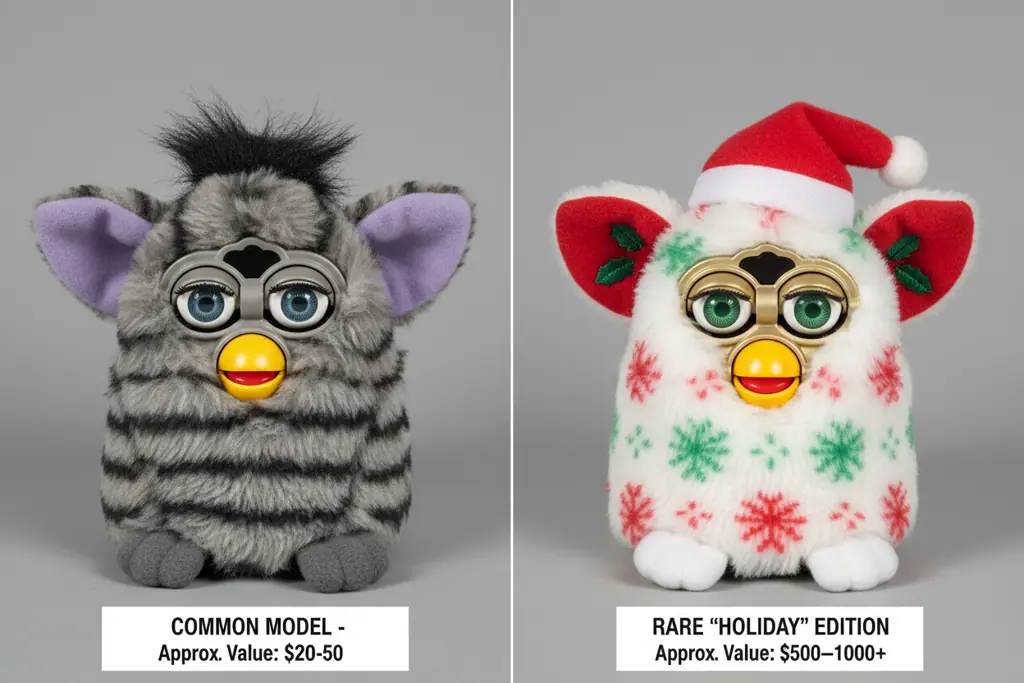
Rarity Factors That Increase Value
Production numbers directly impact rarity. Limited edition runs, discontinued colors, and regional exclusives automatically become scarcer. The special furby angel exemplifies this—minimal production created instant collectibility. Store-exclusive editions distributed to specific retailers also rank as rare finds.
Unique features distinguish valuable models. Unusual color combinations, distinctive patterns, or special accessories increase desirability. Original packaging multiplies value significantly, especially when sealed. A common Furby in original packaging often exceeds the price of a rarer model without its box.
Indicators of High Value
- Limited production special editions
- Original sealed packaging intact
- Rare color combinations or patterns
- Early production models with specific features
- Store or event exclusive releases
- International editions unavailable domestically
- Complete accessories and documentation
- Mint condition with no wear or damage
Factors That Lower Value
- Common mass-produced colorways
- Missing original packaging
- Visible wear, stains, or damage to fur
- Non-functional electronics or mechanics
- Missing accessories or parts
- Attempted repairs or modifications
- Strong odors from storage conditions
- Faded colors from sun exposure
Condition Grading and Assessment
Condition dramatically affects furby market value. Collectors use grading systems similar to other collectible markets. Mint condition means perfect, as if just purchased. Near-mint shows minimal signs of handling. Good condition indicates normal play wear without major damage. Poor condition items have significant issues affecting functionality or appearance.
Original packaging condition matters almost as much as the toy itself. Boxes should show minimal wear, crushing, or fading. Sealed packages command premium prices but even opened boxes add substantial value. All original inserts, tags, and instructions should accompany the Furby. Missing documentation reduces collectible grade.
Authentication and Verification
Learning to authenticate Furbys protects against reproductions and misrepresented items. Genuine models have specific manufacturer marks in battery compartments and on tags. Materials feel distinctive—authentic fur has particular texture and quality. Electronics and mechanisms show professional manufacturing.
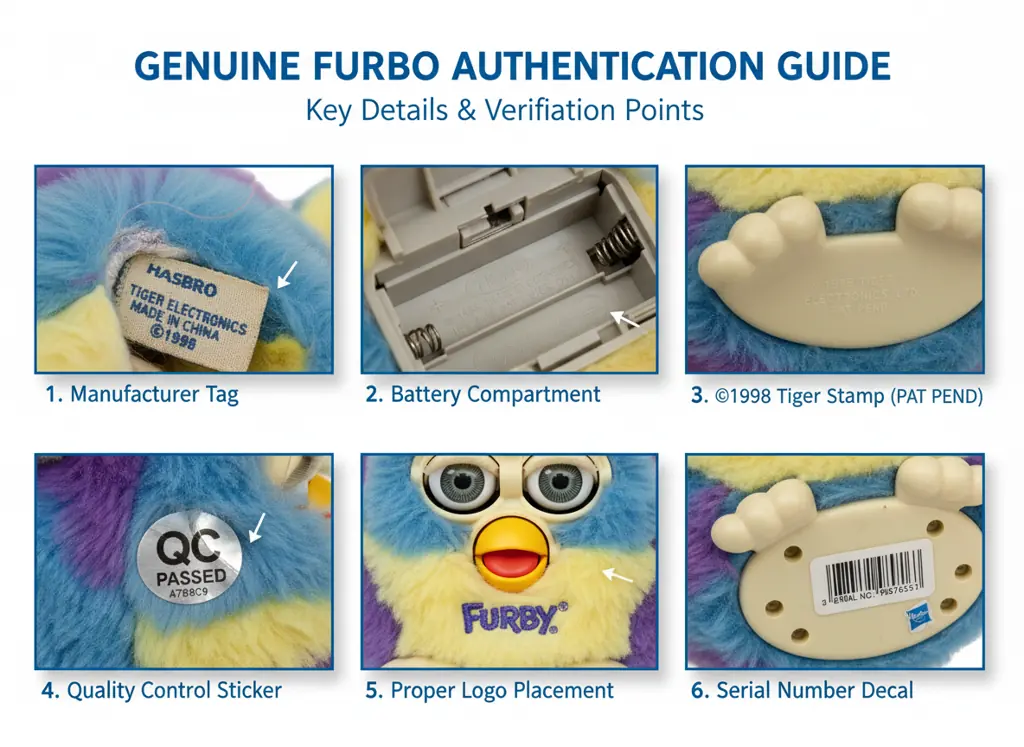
Research specific models before purchasing expensive pieces. Compare photos with known authentic examples. Join collector communities where experienced members help verify questionable items. Reputable sellers provide detailed photos and stand behind authenticity. Requesting additional verification images indicates smart collecting rather than distrust.
Market Research and Price Trends
Furby value fluctuates based on market trends, seasonal demand, and collector interest. Researching recent sales provides realistic price expectations. Compare multiple sources rather than relying on single listings. Completed sales show actual market value better than active listings asking potentially inflated prices.
Certain times of year see increased prices. Holiday shopping seasons drive demand upward. Anniversary milestones for Furby releases create renewed interest. Understanding these cycles helps time purchases strategically. Patient collectors often find better deals during slower market periods.
| Furby Type | Condition | Typical Value Range | Rarity Level |
|---|---|---|---|
| Common Original (1998) | Good, No Box | $20 - $45 | Common |
| Common Original (1998) | Mint in Box | $80 - $150 | Uncommon |
| Furby Baby | Good, No Box | $15 - $35 | Common |
| Limited Edition Original | Excellent, With Box | $200 - $500 | Rare |
| Special Furby Angel | Mint in Sealed Box | $600 - $1,200+ | Very Rare |
| Emoto-Tronic Furby | Good, No Box | $25 - $60 | Common |
| Store Exclusive Edition | Near Mint, With Box | $150 - $400 | Rare |
Discover Rare Furby Treasures
Explore our curated selection of rare and valuable Furbys. Each piece comes authenticated with detailed condition reports and provenance information.
Care and Maintenance Tips for Collectible Furbys
Proper care preserves your furby collecting investment and keeps these beloved companions looking their best. Well-maintained Furbys retain value better and bring more joy when displayed. Simple preventive measures protect against common damage that diminishes collector appeal.
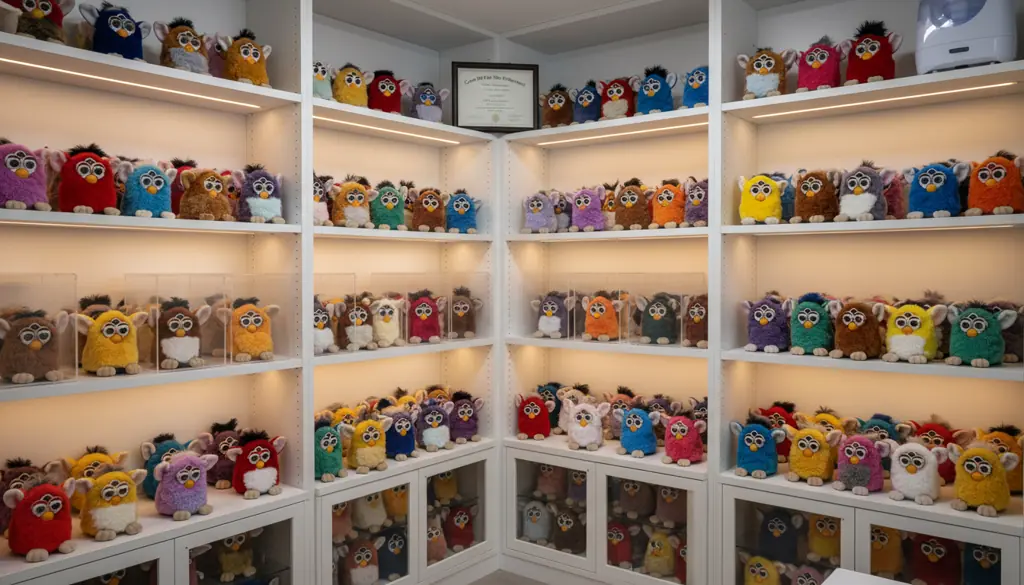
Cleaning and Preservation
Gentle cleaning maintains appearance without causing damage. Use soft brushes to remove dust from fur regularly. Spot clean stains with mild soap and barely damp cloths. Avoid soaking fur or getting moisture near battery compartments. Never submerge Furbys in water—electronics don't recover.
Vintage furby pieces require extra care. Original fur may have aged, becoming more delicate. Test cleaning methods on inconspicuous areas first. Some collectors prefer leaving minor wear rather than risking damage from aggressive cleaning. Authentically aged patina can actually enhance vintage appeal for certain collectors.
Storage Best Practices
Environment significantly impacts long-term condition. Store Furbys in climate-controlled spaces away from extreme temperatures and humidity. Direct sunlight fades colors permanently. Basements and attics with temperature fluctuations risk moisture damage and material degradation.
Original packaging provides ideal storage but requires careful handling. Store boxed Furbys flat or properly supported to prevent crushing. Acid-free tissue paper protects fur from direct contact with cardboard. For displayed collections, rotate pieces periodically to prevent uneven light exposure.
- Remove batteries from long-term stored Furbys to prevent corrosion
- Keep away from direct sunlight to preserve original colors
- Maintain moderate temperature and humidity levels
- Store in original packaging when possible
- Use display cases to prevent dust accumulation
- Rotate displayed pieces to minimize light exposure
Battery and Electronics Care
Battery management prevents the most common damage to vintage furby electronics. Remove batteries from Furbys not regularly used. Corroded batteries leak, destroying circuits and casings. Check battery compartments annually even in stored pieces. Clean any corrosion immediately with appropriate electronics cleaners.

Test electronics carefully when acquiring vintage pieces. Ensure mechanisms operate smoothly without grinding or sticking. Emoto-tronic furby models with LED eyes should display properly. If electronics fail, consult restoration specialists rather than attempting complex repairs yourself. Improper repairs decrease collector value.
Display Considerations
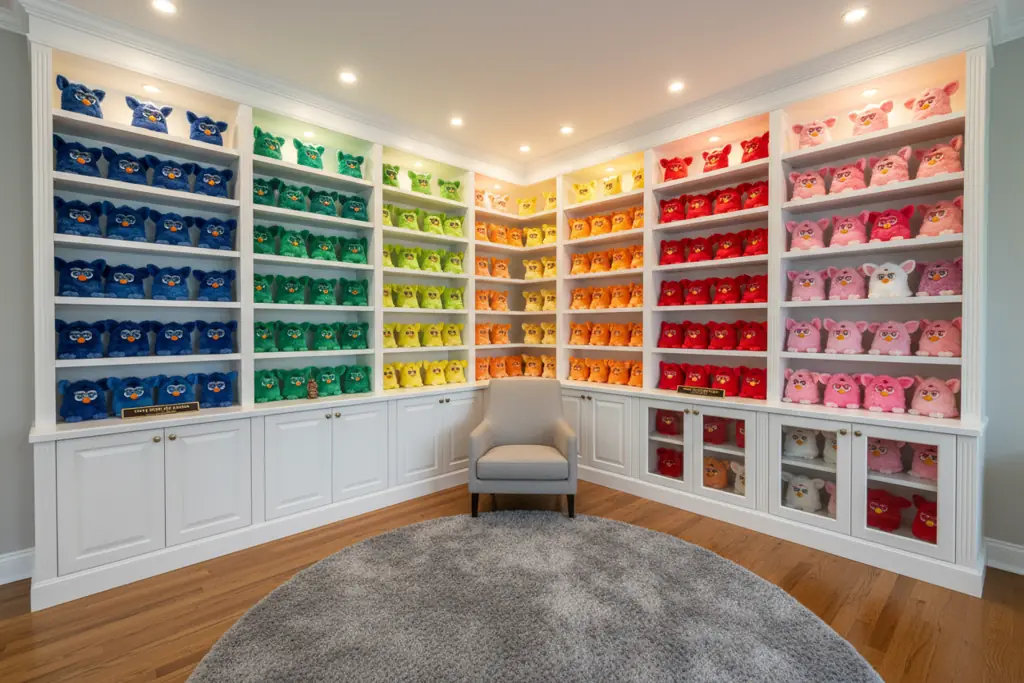
Thoughtful display protects while showcasing your collection. Glass-front cabinets prevent dust while allowing visibility. Arrange Furbys with adequate spacing to prevent fur compression. Consider lighting that highlights without generating heat or UV exposure. LED lights offer excellent illumination without damage risk.
Create themed displays highlighting specific generations or color families. Rotation keeps displays fresh while giving stored pieces occasional spotlight time. Photograph your collection for insurance documentation and sharing with fellow collectors. Quality display enhances enjoyment and demonstrates pride in your furby collecting achievements.
Pro Tip: Create a collection inventory spreadsheet documenting each Furby's model, acquisition date, condition, and estimated value. Include photos and storage location. This organization helps with insurance, prevents duplicate purchases, and tracks your collecting journey over time.
Pricing Guidance and Where to Buy or Sell Furbys
Navigating the furby market requires understanding pricing dynamics and knowing reliable buying and selling venues. Smart collectors research thoroughly before transactions. Whether acquiring new pieces or selling duplicates, market knowledge ensures fair deals and satisfying experiences.
Understanding Current Market Prices
Furby value depends on rarity, condition, completeness, and current market trends. Common models in played-with condition remain affordable entry points. Rare special editions in original packaging command serious investment. Between these extremes exists vast variety offering something for every budget.
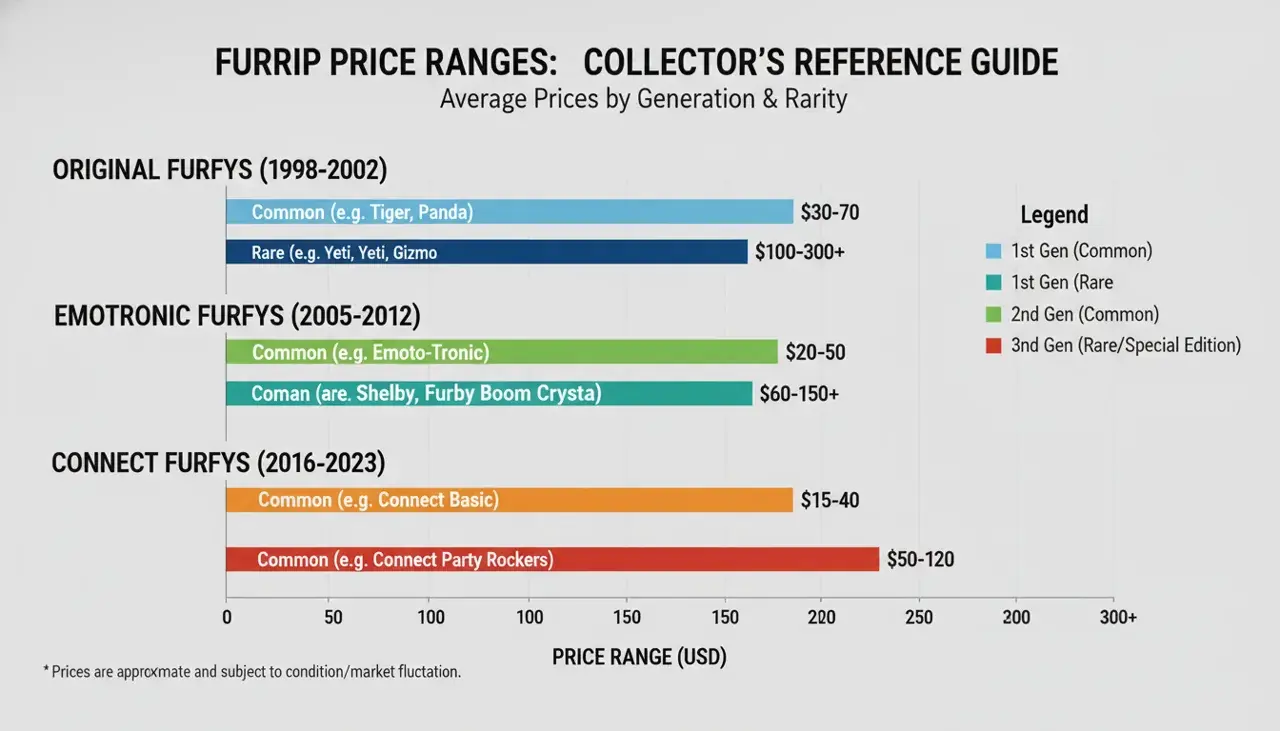
Research recent sales rather than relying solely on asking prices. Completed auctions show what buyers actually paid. Check multiple marketplaces for comprehensive price pictures. Prices fluctuate seasonally and with collecting trends. What sold for specific amounts last year might differ now.
Best Places to Buy Furbys
Multiple venues serve furby collectors with different advantages. Specialty shops focusing on collectible toys offer authenticated items and expert knowledge. Online marketplaces provide vast selection but require careful seller vetting. Estate sales occasionally yield unexpected treasures at below-market prices.
- Authentication guarantees and expertise
- Detailed condition descriptions
- Return policies and buyer protection
- Curated selection of quality pieces
- Customer service and collecting advice
- Premium pricing reflects quality assurance
Specialty Collector Shops
- Enormous selection and variety
- Competitive pricing through seller competition
- Ability to find rare specific models
- Convenience of shopping from home
- International sellers and unique finds
- Requires careful authentication and seller research
Online Marketplaces
- Potential for below-market discoveries
- Adventure and thrill of hunting
- Opportunity to negotiate prices
- Supporting local businesses and charities
- Unpredictable availability
- Condition varies widely, often uncleaned
Estate Sales & Thrift Stores
Selling Your Furby Collection
Eventually, collectors may sell pieces to upgrade, refine focus, or liquidate collections. Proper preparation maximizes resale value. Clean Furbys carefully without causing damage. Document condition honestly with clear photos from multiple angles. Include all original packaging and accessories when available.
Pricing fairly based on market research attracts serious buyers quickly. Overpricing based on emotional attachment or unrealistic expectations leads to long listing times and eventual price reductions. Understand that resale rarely returns full retail unless dealing with exceptionally rare pieces.
Choose selling venues matching your priorities. Collector forums reach enthusiast audiences willing to pay fair market value. General marketplaces offer broader exposure but may attract bargain hunters. Consignment through specialty shops provides expertise but involves commission fees.
Negotiation and Transaction Tips
Reasonable negotiation forms part of collector culture. Make respectful offers backed by market research. Sellers should price fairly initially rather than inflating for negotiation room. Both parties benefit from honest communication about condition, completeness, and expectations.
Buying Safely Online: Request additional photos of specific areas. Ask about functionality, odors, and storage history. Use secure payment methods with buyer protection. Check seller ratings and reviews. Request tracking for shipments. Inspect items immediately upon arrival while return windows remain open.
Document transactions for records and potential insurance claims. Save correspondence, receipts, and shipping information. For valuable pieces, consider insured shipping. Photography before packing protects against damage claims. Professional behavior builds reputation within collector communities, leading to future opportunities.
Community and Resources for Furby Collectors
The furby collectors community offers friendship, knowledge, and support that enriches the hobby immeasurably. Connecting with fellow enthusiasts transforms solitary collecting into shared passion. These relationships provide education, trading opportunities, and genuine friendships built on common interests.
Online Communities and Forums
Digital platforms connect furby collecting enthusiasts worldwide. Dedicated forums host discussions about authentication, valuation, restoration, and display ideas. Members share finds, celebrate acquisitions, and help identify mysterious editions. The collective knowledge surpasses what any individual could accumulate alone.
Social media groups focused on furby market trends and collecting provide real-time information. Members post marketplace finds, warn about scams, and share pricing insights. These communities often organize trading events where collectors swap duplicates or help each other find specific wanted pieces.
- Facebook groups dedicated to Furby collecting and trading
- Reddit communities discussing vintage toys and Furbys
- Discord servers for real-time collector chat and advice
- Instagram hashtags connecting collectors visually
- YouTube channels featuring collection tours and reviews
- Dedicated Furby collector forums with extensive archives
Collector Conventions and Events
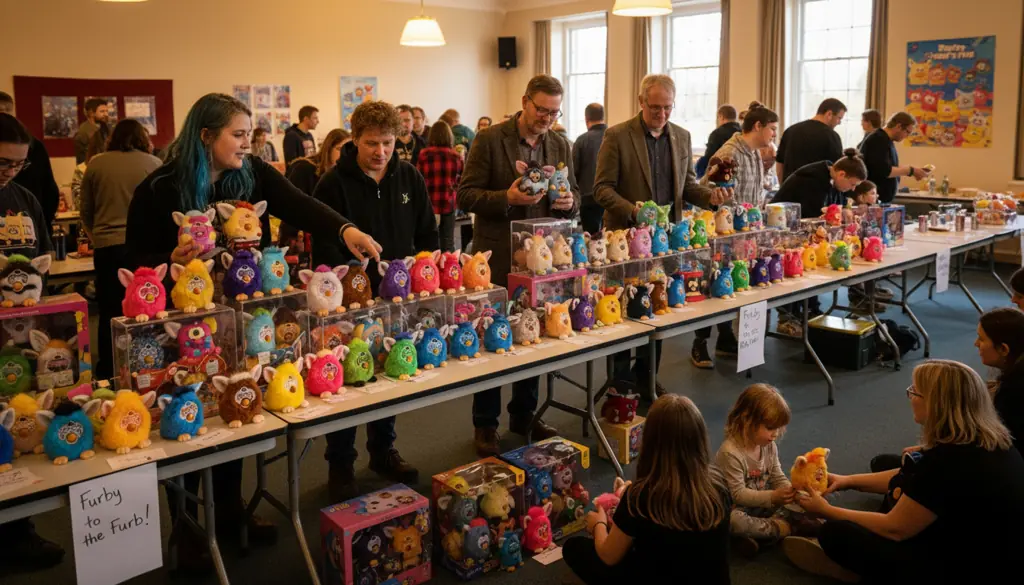
In-person events create magical experiences for furby collectors. Toy conventions often feature vendor booths selling vintage Furbys and related items. Meeting sellers face-to-face allows thorough inspection before purchase. Networking with other collectors leads to private sales and trading opportunities.
Some regions host specialized vintage toy shows where Furby presence runs high. These events let you compare condition standards directly, improving authentication skills. Handling numerous examples quickly educates about quality differences. The excitement of discovering rare pieces in person cannot be matched by online shopping.
Educational Resources
Expanding knowledge improves collecting success and enjoyment. Reference guides documenting all known Furby variations help identify mystery pieces. Price guides provide valuation baselines, though current market research remains essential. Historical articles about original releases add context to collecting.
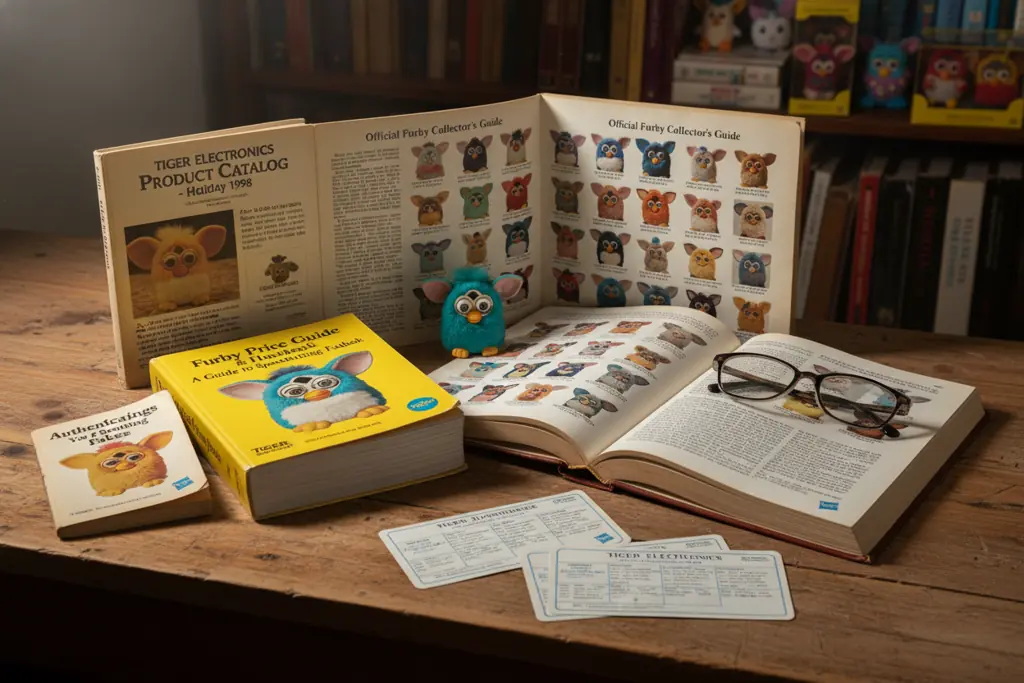
Video content offers dynamic learning opportunities. Collection tours show display ideas and organization strategies. Restoration videos teach maintenance and repair techniques. Authentication guides help spot reproductions. Educational content creators share passion while helping others develop expertise.
Building Your Collector Network
Developing relationships within the community creates lasting value. Fellow collectors become friends who understand the passion. They alert you to marketplace finds, offer fair trades, and provide selling opportunities. Reputation for honesty and fair dealing opens doors to private collections and exclusive opportunities.
Contribute to communities by sharing your own knowledge and experiences. Help authenticate pieces for newcomers. Share marketplace finds even when not purchasing yourself. Document your collection for others to learn from and enjoy. Generosity and enthusiasm create positive community culture benefiting everyone.
"The Furby collecting community welcomed me with open arms when I started. The friends I've made and knowledge I've gained transformed a casual interest into a fulfilling lifelong hobby. We celebrate each other's finds and support one another through this wonderful journey."
Staying Current with Market Trends
The furby market evolves constantly with shifting trends and renewed interest. Following collector news keeps you informed about price movements and emerging desirability. Anniversary milestones often trigger nostalgia waves affecting demand. New generations discovering vintage Furby toys inject fresh energy into collecting.
Market awareness helps time purchases and sales strategically. Notice when specific editions gain attention or when overall interest surges. Understanding cycles prevents panic buying at peaks or discouraged selling at valleys. Long-term collecting benefits from patience and market knowledge.
Building a Meaningful and Valuable Collection
Creating a furby collectors showcase that brings joy and holds value requires intention and strategy. The most satisfying collections reflect personal passion while demonstrating knowledge and care. Success comes from balancing heart and mind—loving what you collect while making smart acquisitions.
Quality Over Quantity
Beginning collectors sometimes prioritize accumulating many pieces quickly. Experienced collectors know that fewer high-quality Furbys create more satisfying collections than numerous poor-condition examples. Invest in the best condition you can afford. One exceptional piece brings more joy than several mediocre ones.
Focus collecting energy on pieces that genuinely excite you. Don't acquire models simply because they're available or affordable. Collections built around authentic passion show cohesion and tell meaningful stories. Every piece should earn its place through rarity, condition, personal significance, or completion of specific collecting goals.
Specialization Strategies
Consider specializing in specific collecting niches. You might focus exclusively on original vintage furby models from the late '90s. Others pursue complete generation sets showing technological evolution. Some collectors concentrate on specific color families or special editions. Specialization creates expertise and distinguishes your collection.
Generation-Based Collecting
Building complete sets from each Furby generation documents the entire history. This approach appeals to completists and those interested in technological evolution. Expect significant investment and time commitment.
- Comprehensive historical representation
- Educational value showing evolution
- Significant space requirements
- Varying difficulty finding complete sets
Rarity-Focused Collecting
Concentrating on rare special editions and limited releases creates impressive collections with strong value retention. This strategy requires patience, market knowledge, and typically higher budgets.
- Strong investment potential
- Impressive showcase appeal
- Challenging acquisition process
- Higher financial commitment needed
Documentation and Organization
Maintaining detailed records enhances collecting in multiple ways. Document each acquisition with purchase date, source, price paid, and condition assessment. Photograph pieces from multiple angles for insurance and reference. Note any unique features, defects, or interesting provenance.
Organization systems prevent duplicate purchases and track collecting progress. Spreadsheets work well for tracking details. Some collectors use specialized collection management software. Digital photography builds visual databases easily searchable when questions arise. Good documentation proves invaluable for insurance claims and eventual selling.
Insurance and Protection
As collection value grows, proper insurance becomes essential. Standard homeowner's policies may not adequately cover collectibles. Specialized collectibles insurance offers better protection. Accurate documentation with photos and receipts supports claims if disaster strikes.
Insurance Considerations: Collections exceeding $2,000-$3,000 in value should be specifically documented for insurance purposes. Schedule high-value individual pieces separately. Store photographs and documentation off-site or digitally in cloud storage. Update valuations periodically as market prices change.
Long-Term Collection Goals
Define what success means for your furby collecting journey. Some aim for comprehensive generation coverage. Others pursue the rarest special furby angel and similar treasures. Personal goals might focus on nostalgic pieces from childhood or completing specific color sets.
Revisit and adjust goals as your collection and knowledge evolve. What excited you initially might shift as expertise develops. Allow your collection to grow organically while maintaining focus. The journey brings as much satisfaction as achieving specific milestones.
The Future of Furby Collecting
Furby collecting continues evolving as new generations discover these charming companions. Market trends suggest growing interest rather than declining enthusiasm. Nostalgia cycles bring renewed appreciation as children of the late '90s reach peak collecting years with disposable income for pursuing childhood memories.
Emerging Market Trends
Several trends shape the furby market currently. Millennials entering prime collecting age drive increased demand for original generation toys. Social media exposes younger audiences to vintage Furby charm, creating new collector cohorts. Limited original supply meeting growing demand naturally increases prices for rare pieces.
International collecting interest expands market reach. Collectors worldwide now connect and trade easily through digital platforms. Regional exclusives that were geographically limited now find global audiences. This expanded market supports stronger prices and more active trading.
Preservation Importance
As time passes, well-preserved original Furbys become increasingly scarce. Many vintage toys suffered play wear, battery damage, or disposal. Collectors performing preservation work create lasting value. Future generations will appreciate today's careful stewardship of these cultural artifacts.
The furby collecting community plays crucial roles in preservation. Documenting variations, creating reference materials, and sharing knowledge ensures information survives. Digital archives, forums, and videos create permanent records. Today's collectors become tomorrow's historians.
Investment Potential
While passion should drive collecting, understanding investment aspects makes sense. Quality pieces from limited editions show strong value appreciation over time. The special furby angel and similar rarities have increased substantially. Original packaging dramatically enhances long-term value retention.
Smart collectors balance enjoyment with investment mindfulness. Acquire pieces you genuinely love while considering resale potential. Maintain proper care and documentation. Diversify across condition grades and rarity levels. Collections built thoughtfully tend to appreciate while providing immediate satisfaction.
Begin Your Furby Collecting Adventure Today
Join thousands of passionate collectors who've discovered the joy of Furby collecting. Browse our expertly curated selection and find the perfect pieces to start or expand your collection.
Conclusion: Embrace the Magic of Furby Collecting
This furby collectors guide has explored every aspect of building meaningful collections. From understanding history and identifying valuable furbies to connecting with community and planning long-term strategies, you now possess knowledge to succeed. The world of furby collecting welcomes newcomers with enthusiasm and supports growing expertise.
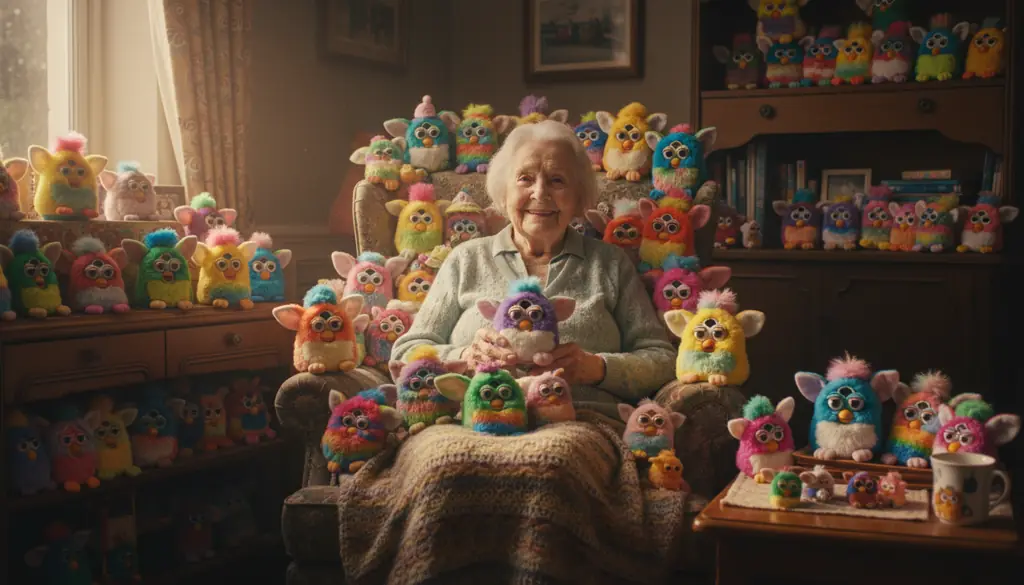
Remember that successful furby collecting balances passion with knowledge. Pursue pieces that spark genuine joy while making informed decisions. Connect with fellow collectors who share your enthusiasm. Care for your collection properly, ensuring these magical companions bring happiness for years to come.
Whether you're drawn to vintage furby nostalgia, fascinated by unique features across generations, or excited by the hunt for special editions, there's never been a better time to start collecting. The furby market offers incredible variety at every price point. Original packaging pieces and rare finds await discovery by patient, knowledgeable collectors.
Begin your journey today with clear goals and genuine enthusiasm. Research thoroughly, buy carefully, and enjoy every moment of building your collection. The memories created, friendships formed, and treasures discovered make furby collecting an endlessly rewarding hobby. Welcome to this magical community where beloved toys from childhood become cherished collectibles inspiring joy across generations.
Your perfect Furby awaits—start exploring and let the collecting adventure begin!